What Is the Best 30 Gallon Drum Pump in 2026?
Choosing the best 30 gallon drum pump in 2026 is not just a matter of finding a pump that fits the bung. The liquid, viscosity, transfer rate, power source, and wetted materials all matter. A pump that moves water smoothly may struggle with a thicker fluid. The wrong seal can also wear quickly. Small details count.
The U.S. Department of Energy’s Improving Pumping System Performance sourcebook reports that pumping systems use nearly 20% of global electricity demand, and 25–50% of energy use in some industrial facilities. Those figures describe pumping systems broadly, not drum pumps alone. Still, they underline why matching equipment to its duty matters. For a 30-gallon container, look closely at tube length, discharge style, flow control, and how easily the pump can be cleaned between transfers.
One caution: a specific expert quotation should not be assigned without a verifiable source. This introduction therefore avoids inventing a named specialist or quote. Instead, the guide will compare practical features against manufacturer specifications and recognized pump-selection guidance. It will consider manual and powered designs, compatible liquids, operating effort, and maintenance needs. Some product claims can sound impressive; real performance depends on the fluid and setup. The best choice is the one that transfers your material safely, consistently, and with minimal hassle—not simply the one with the highest advertised flow rate.
How 30-Gallon Drum Pumps Work and Where They Are Used
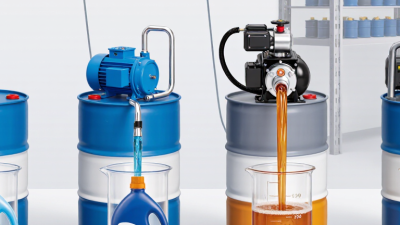
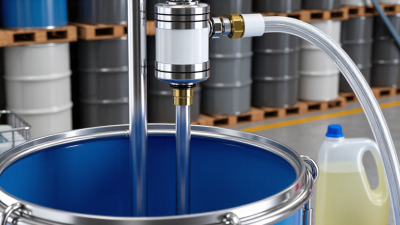
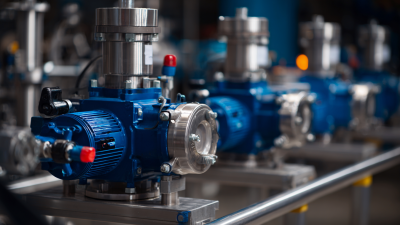
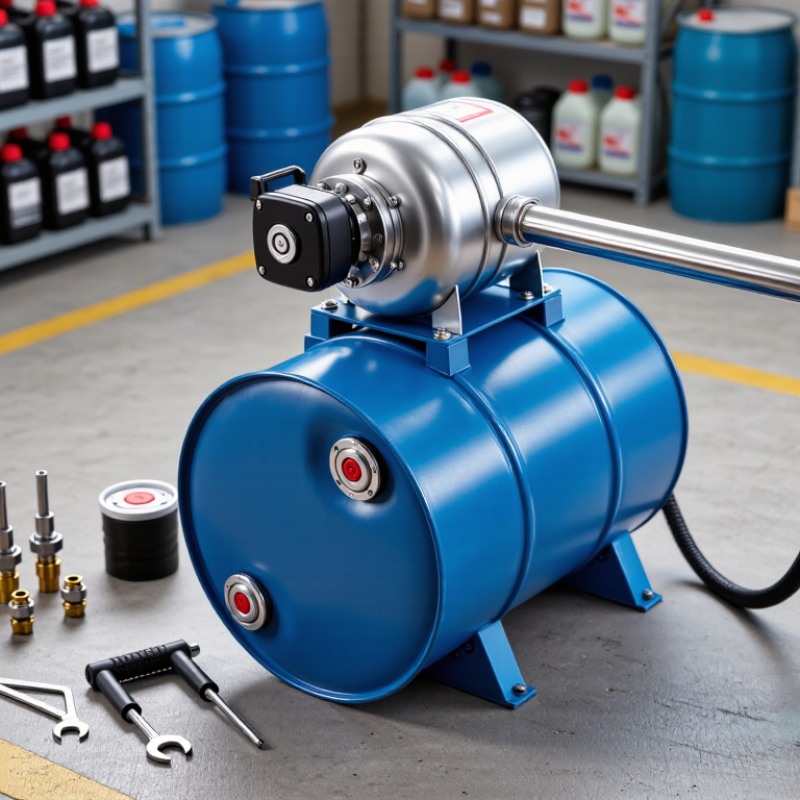
A 30-gallon drum pump draws liquid through a dip tube seated inside the container. A hand lever or motor turns a rotor or piston, moving fluid toward the outlet hose. The mechanism matters: rotary pumps suit many thin liquids, while thicker fluids may need slower, higher-torque equipment. Check viscosity, temperature, seal compatibility, and tube length before choosing. Small details matter.
These pumps are useful wherever smaller batches must move without tipping a drum: maintenance shops, workshops, farms, and production rooms. Operators can transfer oils, detergents, or compatible process liquids into measuring jugs or tanks while keeping the container upright. For food or corrosive liquids, use equipment specifically rated for that fluid. A mismatch can swell seals or leave residue.
The American Chemistry Council’s 2024 Guide to the Business of Chemistry reports roughly $639 billion in U.S. chemical shipments in 2023. That industry-scale figure does not show how many 30-gallon drums are handled, but it helps explain the need for controlled liquid transfer. A pump is not automatically cleaner or safer. Inspect the hose, seals, and discharge point, then test with a small transfer; splashes often reveal poor setup.
How a 30-Gallon Drum Pump Works
A drum pump draws liquid through an intake tube and moves it to a container or process line. This chart shows the approximate liquid volume at different fill levels in a nominal 30-US-gallon drum. One US gallon equals about 3.785 liters.
Where they’re used: Drum pumps transfer compatible liquids such as water, oils, and chemicals. Select a pump based on the liquid’s viscosity and material compatibility, required flow rate, and the drum’s usable capacity. Actual volume may vary with the drum and headspace.
The Main Types of Drum Pumps Available in 2026
A 30-gallon drum does not have one universally best pump. The right choice depends on fluid viscosity, transfer frequency, drum opening, and dispensing accuracy. A thin liquid poured into small containers creates different demands from a thicker fluid moved several times each shift. It depends.
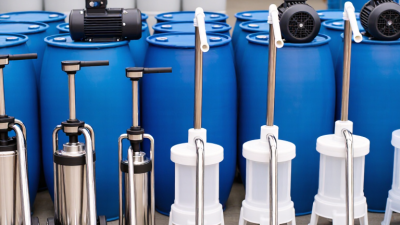
Manual rotary and lever pumps are practical for occasional transfers and places without power. They require operator effort, and flow can vary with the liquid and pumping speed. Electric pumps, powered by a cord or battery, reduce repetitive hand work and suit more frequent use. Check that the pump tube reaches the drum bottom without obstructing the bung. Air-operated pumps use compressed air and can suit work areas already equipped with an appropriate air supply. No type wins every job.
Before choosing, confirm wetted-material compatibility and review the pump’s viscosity and temperature limits. Match the outlet hose and nozzle to the receiving container; a narrow opening may need a controlled, lower flow. In practice, published flow rates can feel optimistic, especially with thicker liquids or long hoses. Small details matter. Test the setup with a small transfer, then inspect seals and connections for leaks. Do not use a pump if compatibility or operating limits remain uncertain.
Key Factors for Comparing Pump Performance and Safety
What Is the Best 30 Gallon Drum Pump in 2026?
Key Factors for Comparing Pump Performance and Safety
The best pump depends on the liquid, transfer distance, and how often you use it. A 30-gallon drum’s capacity does not tell you how quickly a pump will transfer its contents. Check the rated flow alongside the liquid’s viscosity and the lift height. A fast rating can be misleading. I would not choose on speed alone.
Material compatibility matters. Confirm that the pump body, seals, and hose suit the liquid, using the product’s safety information and pump instructions. Look for a stable drum connection, controlled dispensing, and a hose that reaches the receiving container without kinking. Small details count. A seal that wears quickly can turn a tidy transfer into a cleanup. Follow the equipment instructions, including any grounding or bonding guidance that applies.
Tips: Before buying, compare flow ratings under similar conditions, not just headline numbers. Check that the suction tube fits your drum opening and that replacement seals are available. During use, secure the drum, keep the nozzle steady, and inspect for drips. I’d still recheck compatibility before each new liquid; labels and assumptions are not always enough.
How Fluid Compatibility Affects Pump Selection
What Is the Best 30 Gallon Drum Pump in 2026?
How Fluid Compatibility Affects Pump Selection
A 30-gallon drum does not determine which pump is safest or most reliable. The fluid does. Check its chemical name, concentration, temperature, and viscosity before choosing wetted parts. A liquid that seems mild at room temperature may attack a seal when warm or concentrated. Small details matter. Match the pump tube, impeller, and seals to the fluid, not just the drum size. Polypropylene, stainless steel, and different elastomers each have limits. Consult a current compatibility chart, then confirm the exact fluid and operating conditions with the pump supplier. Charts are useful, but they are not guarantees.
Material failures can be costly. NACE International’s 2016 IMPACT study estimated global corrosion costs at US$2.5 trillion in 2013, or about 3.4% of global GDP. That figure covers corrosion broadly, not drum pumps alone, but it shows why material choice deserves attention. For a practical check, inspect the fluid safety data sheet and test the pump in a controlled setup when compatibility is uncertain. Watch for swelling, softening, leaks, or a change in flow. I would not assume that a seal suitable for one concentration will work for another. One caveat: repeated exposure and cleaning chemicals can also affect materials. Verify those conditions before settling on a pump.
How to Choose the Best 30-Gallon Drum Pump for Your Needs
A 30-gallon drum holds about 114 litres, but capacity alone does not determine the right pump. Start with the liquid’s viscosity, temperature, and chemical compatibility. Check the safety data sheet, then confirm that the pump tube, seals, and hose suit the fluid. A mismatch can cause leaks or damaged components. Small detail. It matters.
Match flow rate to your transfer routine. At a rated 5 gallons per minute, 30 gallons takes six minutes in ideal conditions; thick liquids, long hoses, and lift height can slow the transfer. The U.S. Department of Energy’s Improving Pumping System Performance: A Sourcebook for Industry reports that pumping systems use nearly 20% of global electricity and 25–50% of energy in some industrial plants. That plant-wide figure is not a drum-pump rating, but it underscores why appropriate sizing and efficient operation matter.
Choose manual, electric, or air-powered operation based on how often you transfer liquid and where the drum sits. For occasional use, a hand-operated pump may be adequate. Repeated transfers may justify powered operation, provided the power source is suitable for the work area. Check the discharge connection, hose reach, and whether the pump drains the drum effectively. A quick trial with the actual liquid can reveal problems that a neat specification sheet misses. That extra check takes time, but it can prevent a frustrating setup.