Choosing an electric double diaphragm pump is about more than matching a flow rate to a product page. Buyers must consider fluid viscosity, solids, chemical compatibility, duty cycle, and available power. A pump moving abrasive slurry through a plant behaves differently from one dosing a cleaning solution. Small details matter: diaphragm material, connection size, control method, and access for maintenance can shape daily performance.
The U.S. Department of Energy’s Improving Pumping System Performance: A Sourcebook for Industry recommends assessing the complete pumping system rather than relying on equipment ratings alone. The Hydraulic Institute’s Pump Life Cycle Costs guide also identifies energy, maintenance, and downtime as costs beyond the purchase price. These technical references offer useful selection context, but they do not rank electric double diaphragm pump models directly. That distinction is easy to miss.
This guide compares ten options through practical buyer criteria: flow and pressure range, wetted materials, control features, service access, and manufacturer support. Where available, specifications should be checked against current product documentation, since model configurations can change. A low purchase price may look appealing. It may not stay that way if seals, controls, or replacement parts are difficult to source. No shortlist fits every plant; the right choice depends on the fluid and the work.
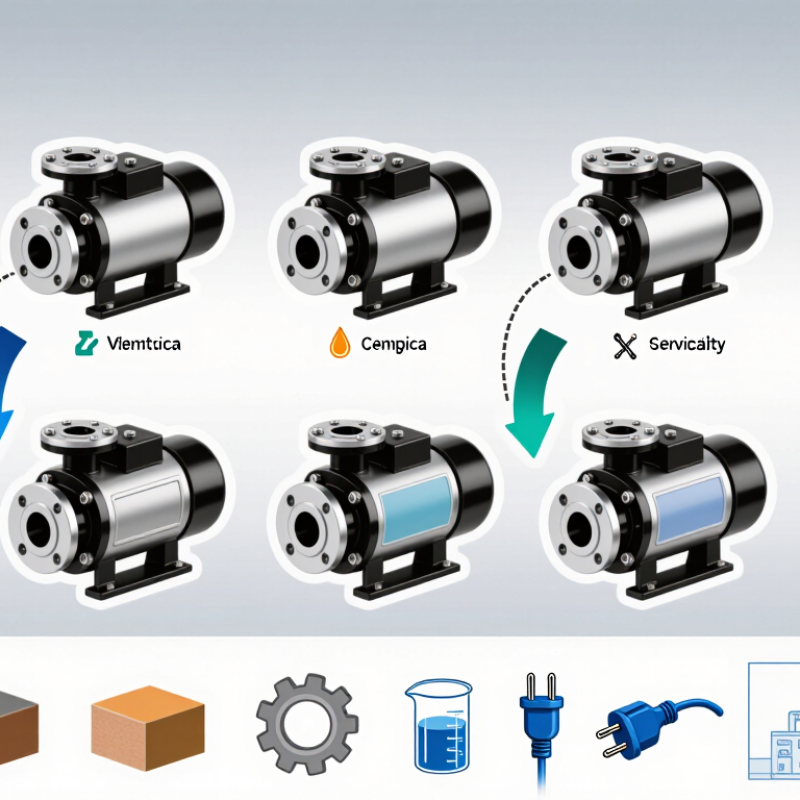
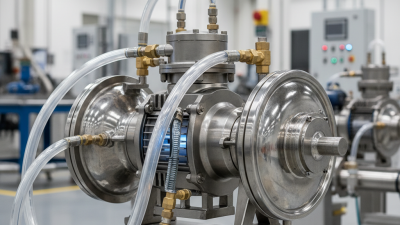
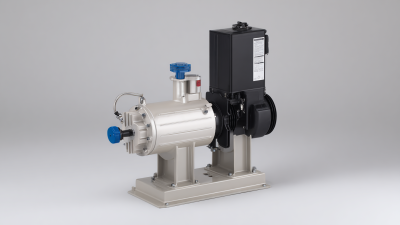
An electric double-diaphragm pump uses a motor-driven crank or eccentric to move two flexible diaphragms in alternating strokes. As one chamber expands, it draws liquid through an inlet check valve. The second chamber contracts and sends liquid through its outlet. Check valves keep flow directional. No compressed-air supply is needed. Liquid contacts the wetted chamber and valve materials, while the drive remains isolated behind the diaphragms. This separation can help handle abrasive or shear-sensitive fluids, but it does not make every fluid suitable.
The U.S. Department of Energy’s Improving Pumping System Performance sourcebook reports that pumping systems can account for 25–50% of energy use in certain industrial operations. That figure is not a pump rating; it shows why operating conditions matter. Buyers should compare required flow and discharge pressure with fluid viscosity, solids size, and duty cycle. Check motor controls, suction-line dimensions, and access to valves and diaphragms. Small details matter. A narrow suction line or worn diaphragm can undermine a sound design. Real duty is messier: published maximum flow rarely describes a plant’s daily needs. Measure actual fluid and line conditions before selecting a pump.
Published flow rates are useful only when the operating conditions are clear. Check whether each figure applies to water-like liquid, a specific air pressure, or a stated test setup. A pump rated at 100 gallons per minute may deliver less through long hoses, narrow fittings, or a restrictive discharge line.
Numbers need context.
Compare maximum working pressure separately from air-supply pressure. They describe different limits. Also check whether the published flow and pressure figures were measured together; peak values may not occur at the same operating point.
If a supplier provides a performance curve, match it to your expected discharge pressure rather than choosing by the largest headline number. A small mismatch can mean slower transfer and more cycling than expected.
Solids-handling claims need equal scrutiny.
Look for the maximum particle diameter and confirm whether the figure applies to soft solids, hard particles, or both. A stated passage size does not guarantee reliable handling of stringy debris or abrasive grit.
Ask what diaphragm and ball materials suit the liquid, and review any limits on temperature or chemical compatibility.
Published tables are often incomplete; that is an uncomfortable gap.
Request test conditions and maintenance details before comparing models, especially when the duty involves changing viscosity or solids content.
When comparing electric double diaphragm pumps, check the drive motor’s efficiency class under IEC 60034-30-1. The standard assigns IE classes to certain line-operated AC motors; it does not rate the complete pump. A higher IE class can indicate lower motor losses under defined test conditions, but it does not guarantee lower energy use in your installation.
Ask for the motor nameplate and a test report showing its IE class, rated output, voltage, frequency, and operating conditions. Then compare those details with your supply and duty cycle. A motor may look efficient on paper yet run poorly if it is oversized, frequently throttled, or operated far from its intended load. Check the pump’s actual flow and discharge pressure, too. Numbers matter.
Be cautious when sellers apply an IE label to the whole pump. The motor class alone cannot account for diaphragm movement, air handling, controls, or maintenance. I would also verify whether the listed motor falls within the standard’s scope; not every motor design is covered. This detail is easy to miss. Ask suppliers to explain any exclusions and provide comparable test data, rather than relying on a brochure claim.
Choosing among the top electric double diaphragm pumps requires more than comparing flow rates. Start with the wetted materials: the pump body, diaphragms, valve balls, and seals all contact the fluid. Check each material against the chemicals, concentration, and temperature in your process. A suitable body material cannot compensate for an incompatible seal.
Compatibility charts are useful, but they do not tell the whole story. Ask for written chemical-resistance guidance for the exact fluid and operating conditions. Include cleaning solutions and occasional process changes in your review. If the fluid contains abrasive particles, ask how they may affect diaphragm life and valve wear. Small details matter.
Maintenance data can reveal the real cost of ownership. Request expected diaphragm and valve service intervals, recommended inspection steps, and parts availability. Compare those figures with your duty cycle, not just a best-case test. Also ask what symptoms signal wear, such as reduced flow or uneven discharge. Published intervals are estimates; actual service life may differ, and that uncertainty deserves attention before purchase.
A useful top-ten ranking starts at the buyer’s duty point, not the largest advertised flow. Record required flow, discharge pressure, fluid temperature, and suction conditions. Then compare each pump’s published curve at that exact operating point. A pump that meets the target with reserve is usually a stronger choice than one near its limit. Keep the test conditions visible. Small differences in fluid or air pressure can change results.
For an evidence-led shortlist, rank Pump 1 highest when its curve, materials, safety details, and warranty terms are clear.
Pump 2 next if its duty-point data is complete but its warranty is shorter.
Pump 3 offers verified flow with limited suction information.
Pump 4 has suitable wetted materials, but incomplete pressure data.
Pump 5 lists broad performance ranges only.
Pump 6 has a clear warranty and sparse test evidence.
Pump 7 lacks a duty-point curve.
Pump 8 provides limited material details.
Pump 9 has unclear warranty coverage.
Pump 10 has the fewest verifiable specifications.
These are evidence grades, not claims of laboratory testing.
Check air consumption, pulsation, noise, and access for diaphragm replacement before purchase. Ask whether warranty coverage includes labor, wear parts, and service response time. Read exclusions carefully. A neat ranking can still mislead; supplier data may use different test setups. Record unanswered questions and revise scores when comparable evidence arrives.
![]() |
Need Help? Call Us 203-740-1877
|
We're ready to help identify, size and spec your pumps, filters |
Pumps, Parts, and Equipment – Guidance Included
103 Hempel Drive
Wolcott, CT 06716
Telephone: 203-740-1877
Toll Free Fax: 866-523-1693
Email: sale@rewritertool.com