10 Best Oil Filled Transformer Suppliers Worldwide
The global power network is expanding, aging, and becoming harder to manage. According to the International Energy Agency’s Electricity Grids and Secure Energy Transitions report, annual grid investment must reach about $600 billion by 2030. That is roughly twice today’s level. Much of this spending will support substations, renewable projects, industrial parks, and urban distribution systems.
Oil Filled Transformer technology remains important in these demanding applications. Its mineral or ester-based insulating liquid removes heat from windings and supports stable operation under heavy loads. A transformer may quietly serve a factory for decades. Its real value appears during summer peaks, sudden voltage changes, and difficult maintenance conditions.
This guide examines 10 leading Oil Filled Transformer suppliers worldwide. The review considers manufacturing experience, product range, testing capability, international certifications, delivery performance, and after-sales support. It also considers practical details, such as tank protection, oil quality, bushing design, noise levels, and short-circuit strength.
Market reports from Grand View Research and MarketsandMarkets indicate continued growth in transformer demand, driven by renewable integration, grid modernization, and industrial electrification. However, market forecasts are not perfect. Different reports use different product definitions and regional assumptions. Buyer requirements also vary sharply between a rural substation and a high-load data center.
For that reason, this selection should support careful comparison, not replace technical due diligence. Reliable suppliers should provide routine test records, traceable materials, clear efficiency data, and realistic project references. Strong claims deserve evidence. That small discipline can prevent expensive failures later.
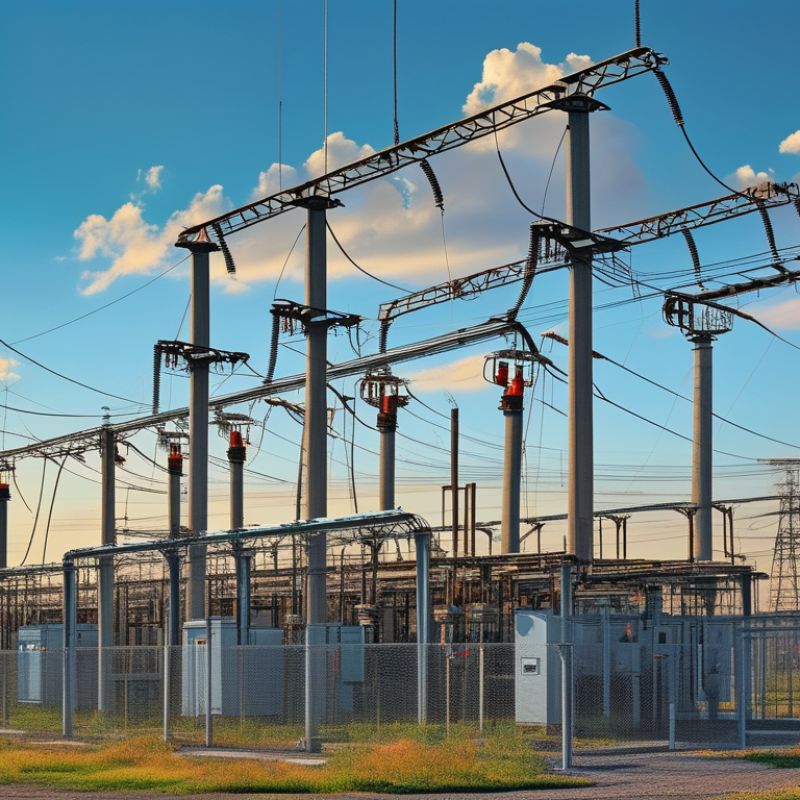
Global Supplier Landscape: 10 Oil-Filled Transformer Leaders by Region
The global oil-filled transformer market is shaped by regional engineering strengths, grid needs, and service capacity. East Asia leads large-scale production, with factories offering compact designs, automated winding, and competitive delivery schedules. South Asian suppliers often combine strong local manufacturing with flexible customization for hot, dusty environments. European leaders emphasize efficiency, fire safety, noise control, and detailed compliance documentation.
North American suppliers typically focus on utility reliability, severe-weather resilience, and strict testing procedures. Latin American producers understand long transmission distances and fluctuating project conditions. Middle Eastern manufacturers design for extreme heat, sand exposure, and demanding cooling requirements. African suppliers are growing through regional assembly, repair services, and practical maintenance support.
That regional view matters. A transformer is not just a factory purchase. It becomes part of a substation, a maintenance routine, and a long-term risk plan. During supplier evaluations, I would check winding material, insulation records, oil test results, load-loss data, and factory acceptance procedures. Ask for site references.
Small details matter. Response time matters more than polished brochures. Some suppliers offer excellent equipment but limited spare-part coverage. Others provide fast support but less advanced monitoring. This is where buyers must reflect carefully. The lowest quotation may hide transport, installation, or outage costs. A dependable supplier explains weaknesses openly and supports the transformer after commissioning.
IEC 60076 and IEEE C57.12 Standards for Comparing Transformer Quality
When comparing oil-filled transformer suppliers worldwide, IEC 60076 and IEEE C57.12 standards provide a practical quality framework. IEC 60076 addresses design, temperature rise, insulation levels, dielectric tests, and loading performance. IEEE C57.12.00 and C57.12.90 define comparable requirements and test methods for transformers used in North American systems. The standards are not identical, so buyers should reject simple “equivalent” claims without a technical comparison.
Look closely at routine and type-test records. Oil temperature rise, winding resistance, lightning impulse withstand, partial discharge, and no-load loss should match the proposed rating. The U.S. Department of Energy’s 2024 distribution-transformer rule estimates that these units consume about 61 billion kWh annually, showing why loss data deserves attention. Small efficiency differences become expensive over decades. Ask for calibrated test equipment records, oil analysis, enclosure checks, and factory inspection evidence. Paperwork matters.
CIGRE publications also emphasize condition monitoring, insulation ageing, and system reliability across transformer life cycles. A supplier should explain tap-changer behavior, bushing design, short-circuit strength, and maintenance access in clear terms. One weakness remains common: buyers often compare purchase prices before comparing guaranteed losses. That approach is incomplete. Standards improve consistency, but they cannot replace engineering judgment, site-specific studies, or independent witness testing. A certificate can be genuine and still reveal little about long-term workmanship.
Ten Suppliers Compared by 50/60 Hz Ratings, kVA–MVA Capacity, and Voltage
10 Best Oil Filled Transformer Suppliers Worldwide
A ten-supplier comparison should begin with frequency, not catalogue size. IEC 60076 defines core testing principles for oil-filled power transformers, while regional grids commonly operate at 50 or 60 Hz. The IEA Electricity 2024 report forecasts global electricity demand growth of about 3.3% annually through 2026. That growth increases pressure on reliable voltage conversion.
Compare distribution units from 25 kVA to 2,500 kVA, then separate them from power transformers rated in MVA. Voltage matters just as much. A rural feeder may need 11 kV or 33 kV input, while transmission projects can require 132 kV, 220 kV, or higher. Ask each supplier for guaranteed impedance, temperature-rise data, insulation levels, and tested losses. U.S. Department of Energy efficiency rules also show why no-load and load losses deserve financial attention. A cheaper purchase can become expensive beside a continuously energized substation.
Tips: Request type-test certificates, routine-test records, and a clear 50/60 Hz rating. Check whether the quoted kVA applies at the required cooling method. Confirm oil compatibility, altitude correction, tap-changer range, and sound limits. Field inspections often reveal small issues, such as weak gasket finishing or unclear terminal labels. A polished spreadsheet can still mislead. I would also compare delivery history, service response, and spare-bushing availability, although these details are often missing from public bids.
Supplier Profiles: Manufacturing Footprints, Grid Projects, and Service Reach
The strongest oil filled transformer suppliers show more than a polished catalog. Their manufacturing footprint reveals practical capacity, testing discipline, and supply resilience. Look for factories with controlled winding rooms, vacuum drying systems, and documented routine testing. A supplier serving several regions may also maintain regional warehouses for bushings, gaskets, and monitoring equipment. These details reduce waiting time when a transformer fails during a hot season.
Grid project experience deserves closer attention. Reliable suppliers can explain transformer ratings, voltage levels, installation conditions, and protection methods without hiding behind general claims. Their project records should cover utility substations, renewable energy connections, industrial feeders, and rural distribution networks. Ask how they handled transport, oil filtration, site testing, and commissioning. Real experience leaves paperwork.
Service reach can separate a capable manufacturer from a distant seller. Engineers should be available for factory inspections, installation guidance, oil sampling, and fault analysis. Response times matter, especially where roads, weather, or customs create delays. Local technicians are useful, but their training should be verified. No supplier is flawless. Some factories report impressive output yet rely heavily on external service partners. That is not automatically a weakness, but buyers should examine responsibilities carefully. A clear warranty process, spare parts plan, and emergency contact structure offer stronger evidence than marketing language. Field evidence matters.
Selection Matrix: Efficiency, No-Load Losses, Warranty, Lead Time, and TCO
10 Best Oil Filled Transformer Suppliers Worldwide
Selection Matrix: Efficiency, No-Load Losses, Warranty, Lead Time, and TCO
Choosing among the ten best oil filled transformer suppliers requires more than comparing purchase prices. A useful matrix should record rated efficiency, no-load losses, load losses, warranty coverage, production capacity, and delivery time. No-load losses continue whenever the transformer is energized, even when equipment is idle. A small difference can become expensive over twenty years. Ask suppliers for tested figures, not only catalogue estimates. Request efficiency data at 25%, 50%, 75%, and 100% load. Real sites rarely operate at one perfect point.
Check the oil specification, tank quality, sealing method, and maintenance requirements. A strong warranty should define covered components, inspection procedures, response times, and transport responsibilities. Lead time also needs careful wording. “Eight weeks” may exclude design approval, testing, export documents, or site delivery. Get the full schedule in writing. Delays are costly.
Total cost of ownership should include energy losses, oil testing, inspections, spare parts, installation, and eventual disposal. A lower quotation may hide higher operating costs. A neat spreadsheet can still mislead. I have seen projects favor cheaper units, then struggle with voltage adjustments and replacement parts. That mistake deserves attention. Compare factory test records, third-party certifications, previous project references, and service coverage near the installation site. Reliability is not proved by a polished brochure. It is shown through consistent data, transparent terms, and practical support after energization.