Top Magnetic Pump Manufacturers How to Choose One?

Choosing among top magnetic pump manufacturers requires more than comparing prices or browsing polished product pages. A magnetic pump transfers liquid without a traditional shaft seal, reducing leakage risks in many chemical, pharmaceutical, and water-treatment applications. However, “seal-free” does not mean maintenance-free. Correct sizing, material selection, and operating control still determine service life.

A dependable manufacturer should provide clear performance curves, tested flow data, material specifications, and practical installation guidance. Look for experience with your actual fluid, not only impressive catalog figures. A pump handling dilute acid may need different wetted materials than one moving hot solvent or abrasive slurry. Ask about temperature limits, viscosity, vapor pressure, motor protection, and dry-run tolerance. These details matter.

Small details matter.

Reliable suppliers also explain their testing procedures and quality controls. Certifications can support trust, but they should not replace technical verification. Request references from comparable facilities, inspect warranty terms, and confirm access to spare parts and trained service personnel. A responsive engineer who reviews your piping layout may be more valuable than a famous brand with limited support.

The best choice depends on the complete operating picture. Energy consumption, noise, footprint, lead time, and lifecycle cost deserve attention. It is tempting to rank manufacturers by reputation alone. That approach can fail when the pump faces unusual fluids or unstable operating conditions. Even experienced buyers can overlook suction limitations or magnetic coupling losses. A careful comparison, supported by documented data and honest conversations, creates a more reliable purchasing decision.
Top Magnetic Pump Manufacturers How to Choose One?

Magnetic Pump Basics and How They Work

Magnetic Pump Basics and How They Work

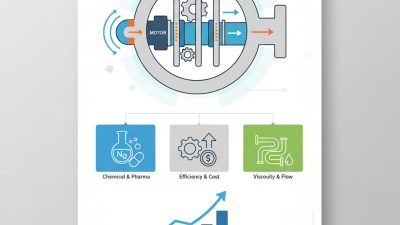
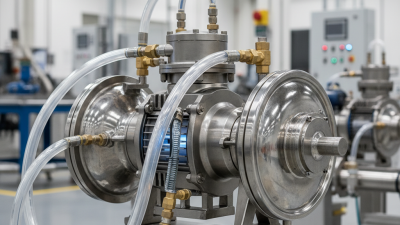
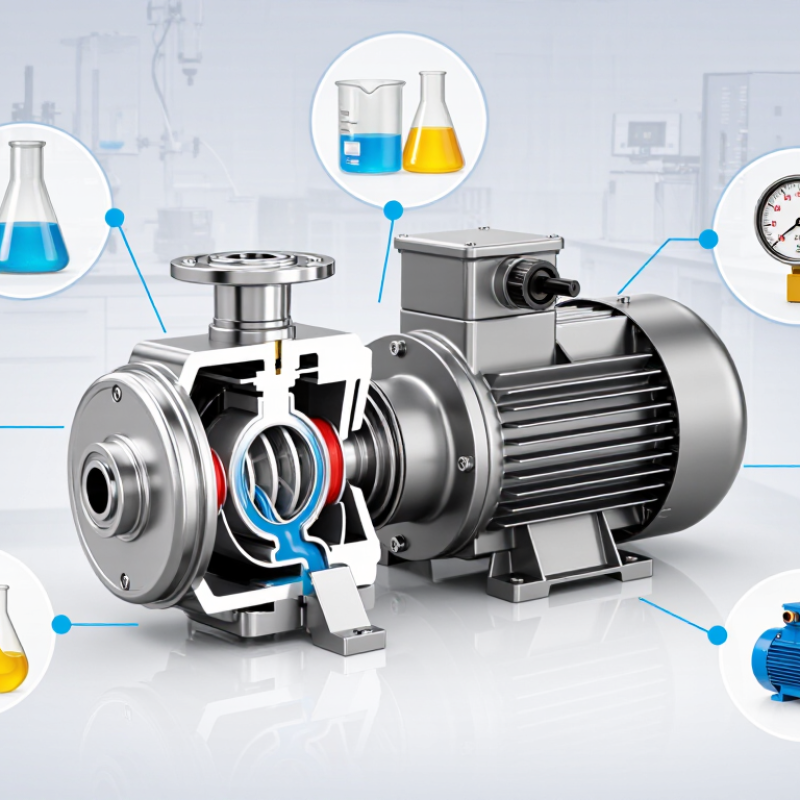
A magnetic pump transfers motor power without a conventional shaft seal. The motor turns an outer magnet assembly, which drives an inner magnet rotor inside the pump casing. The inner rotor spins the impeller and moves the liquid. A sealed containment shell separates the liquid from the motor. This design reduces leakage risks and suits corrosive or high-purity fluids. However, it is not maintenance-free. Dry running, blocked suction lines, or unsuitable solids can damage internal components quickly.

Tips: Check chemical compatibility, operating temperature, viscosity, flow rate, and pressure before comparing manufacturers. Ask for pump curves based on your actual liquid, not only water. Confirm whether the supplier tests each unit, provides material certificates, and explains installation limits. Small details matter, especially the containment shell material and bearing design.

When choosing a manufacturer, review engineering experience, documentation quality, and after-sales support. A reliable supplier should explain cavitation, minimum flow, and motor protection in clear language. In practical installations, correct alignment and clean piping often matter as much as pump selection. I have seen capable pumps perform poorly because operators ignored air pockets or ran them without liquid. No pump is perfect. The best choice is the one supported by transparent data, realistic service advice, and parts that remain available for years.

Key Factors for Comparing Magnetic Pump Manufacturers

Top Magnetic Pump Manufacturers: How to Choose One?

Key Factors for Comparing Magnetic Pump Manufacturers

Choosing a magnetic pump manufacturer requires more than comparing catalog prices. Start with the process conditions. Check flow rate, discharge head, liquid temperature, viscosity, and chemical compatibility. The manufacturer should explain how its pump handles your actual fluid, not an ideal laboratory liquid.

Ask for material data for the casing, impeller, shaft, and containment shell. A small mismatch can cause swelling, corrosion, or premature wear. Confirm the manufacturer’s performance curves and test methods. Reliable suppliers can provide clear tolerances, inspection records, and operating limits. Their technical team should also review NPSH, dry-run risks, and motor selection. Short answers are a warning sign.

Service quality often separates experienced manufacturers from ordinary sellers. Examine spare-part availability, repair guidance, response times, and installation training. Ask whether each pump receives pressure, vibration, and leak testing before shipment. Factory visits or sample inspection can reveal practical details, such as poor labeling or weak packaging.

A polished brochure is not enough. In real plant reviews, overlooked details often create the largest costs. I would also question unusually low prices. They may reflect simpler materials, limited testing, or unclear after-sales support. Still, expensive equipment is not automatically better. Compare documented performance, field experience, warranty terms, and communication quality together. The best choice should fit your process and your maintenance team’s daily habits.

How to Evaluate Pump Quality, Materials, and Performance

Top Magnetic Pump Manufacturers: How to Choose One?

When comparing magnetic pump manufacturers, examine quality beyond polished product photos. Ask for material certificates, dimensional records, and pressure-test reports. Experienced suppliers should explain how the containment shell resists corrosion and pressure. Wetted materials must match the liquid, temperature, concentration, and cleaning method. Stainless steel may suit one process but fail in another. Some aggressive liquids require engineered plastics or specialized alloys.

Performance data deserves practical testing. Compare flow rate, head, efficiency, and motor power at your actual operating point. Check the pump curve, not only the maximum capacity. Magnetic pumps usually avoid shaft seals, reducing leakage risks. However, they can suffer from dry running, blocked suction lines, or solid particles. Request dry-run protection and clear operating limits. Ask whether test instruments are calibrated and traceable. A quiet test bench is useful, but field conditions are less forgiving. This is where many evaluations become too optimistic.

Tips: Inspect a working unit if possible. Listen for unusual vibration. Check the liquid temperature near the outlet. Review maintenance records and spare-part availability. Confirm the containment shell material with written documentation. Ask how failures are investigated, not merely repaired. A supplier that admits performance limits may be more reliable than one promising perfect operation. Leave room for doubt. Your process data may still be incomplete.

Top Magnetic Pump Manufacturers: How to Choose One?

The chart shows representative upper-end screening values commonly used when evaluating chemical magnetic-drive pumps. Compare flow, head, temperature capability, and viscosity range with your actual process requirements. Final selection should also verify wetted materials, seal-free containment, motor efficiency, spare-parts availability, and supplier testing documentation.

Choosing a Manufacturer for Your Industry and Application

Choosing a magnetic pump manufacturer starts with your process, not a product catalog. A chemical dosing line may need corrosion-resistant materials, while a semiconductor application demands extremely clean fluid paths. Confirm fluid temperature, viscosity, vapor pressure, solids content, flow rate, and discharge pressure. Small errors here can cause overheating, dry running, or unstable flow.

Look for application evidence. Ask whether the manufacturer has tested similar fluids at your operating conditions. Request pump curves, material certificates, containment performance data, and factory test records. A credible supplier should explain its design limits without hiding behind general claims.

The U.S. Department of Energy reports that pumping systems can consume 25–50% of electricity in some industrial facilities. Therefore, efficiency, correct sizing, and variable-speed compatibility deserve serious attention. A cheaper pump may increase energy and maintenance costs.

Standards also matter. API 685 addresses sealless centrifugal pumps for refinery and chemical services, while ISO 2858 supports standardized centrifugal pump dimensions and performance comparisons. These references do not replace application engineering. They improve consistency.

Service capability is equally practical: spare parts availability, response time, installation guidance, and technician training can determine uptime. I have seen specifications focus heavily on flow and pressure, while ignoring fluid crystallization or intermittent operation. That is an expensive oversight.

Evaluate lifecycle cost, not only purchase price. A manufacturer with clear documentation, realistic guarantees, and relevant field experience is usually the safer choice.

Questions to Ask Before Selecting a Magnetic Pump Supplier

Top Magnetic Pump Manufacturers: How to Choose One?

Before selecting a magnetic pump supplier, ask how its engineers size pumps for your actual process. Request calculations for flow, head, viscosity, temperature, solids, and suction conditions. Do not accept a catalogue capacity alone. A pump handling clean water may fail quickly with crystals, abrasive particles, or frequent starts.

Ask which materials contact the fluid and how the supplier verifies chemical compatibility. Request performance curves, NPSH data, pressure limits, temperature ratings, and factory test records. For critical duties, ask whether designs follow recognized requirements, such as API 685 or relevant ISO standards. The U.S. Department of Energy’s Improving Pumping System Performance guide identifies potential energy savings of 20–50% after proper system assessment. Efficiency deserves direct questions, not optimistic claims.

Ask about containment reliability, dry-run protection, monitoring, spare parts, repair training, and response times. Can the supplier provide references for similar fluids and operating hours? Ask for total cost over five years, including electricity and maintenance. Cheap equipment can become expensive under continuous service. A practical concern is often missed: what happens when the magnetic coupling loses alignment or the process temperature changes suddenly? The supplier should explain failure modes clearly. My checklist is not perfect, and laboratory data cannot replace site experience. Still, transparent answers usually reveal more than polished brochures.