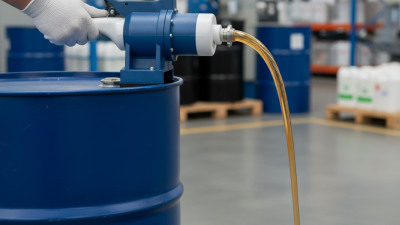
What Is a Stainless Steel Drum Pump and How Does It Work?
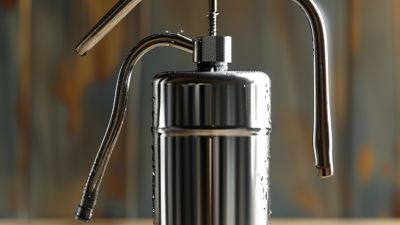
A stainless steel drum pump is a compact transfer tool designed to move liquids from drums, barrels, and other containers. Its narrow suction tube reaches through the drum opening, while the pump head creates flow through a discharge hose. Depending on the model, an electric motor, air motor, or manual lever drives the internal shaft and impeller.
The stainless steel body is valuable where cleanliness, durability, and corrosion resistance matter. It can handle many water-based liquids, oils, solvents, and chemical solutions, but material compatibility must be checked carefully. Stainless steel alone does not make every pump suitable for every fluid. Seals, hoses, impellers, and grounding requirements also influence safe performance.
Pump engineer Heinz P. Bloch offers a useful principle: “A pump is only as reliable as the system around it.” That idea applies directly here. A well-built stainless steel drum pump may still fail when operators ignore viscosity, temperature, drum depth, or seal compatibility. Small details matter. A loose connection can drip. A dry-running motor can overheat. A poorly matched hose can restrict flow.
This guide explains the main components, operating process, advantages, limitations, and selection factors behind a stainless steel drum pump. It also considers practical handling, cleaning, maintenance, and workplace safety. Some applications appear simple but are not. The correct pump depends on the liquid, container, flow rate, and operating environment. When those details are overlooked, performance becomes uncertain.
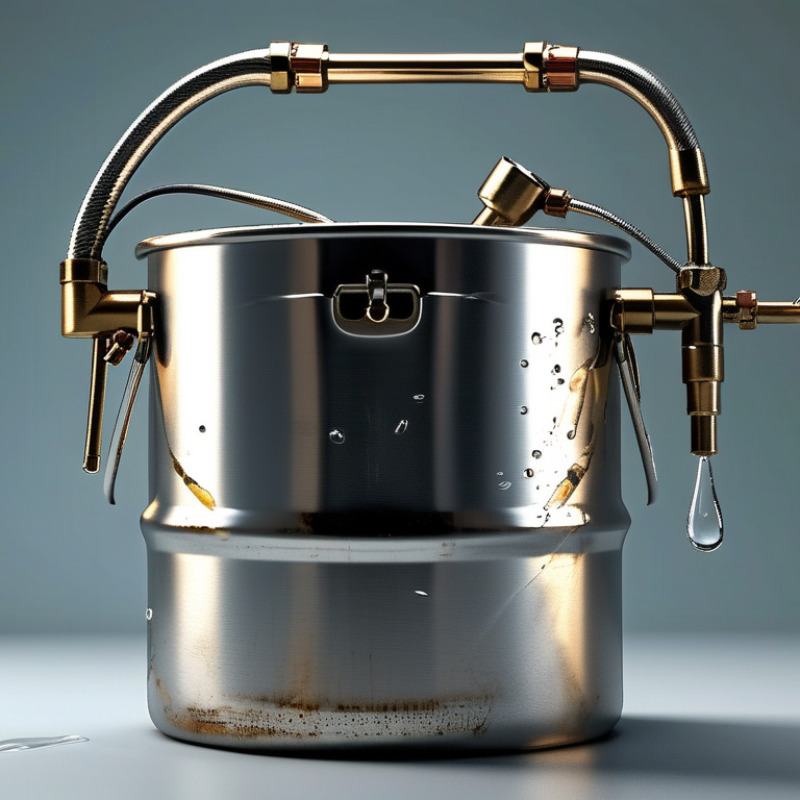
What a Stainless Steel Drum Pump Is: 304, 316L, and 200-L Drums
What Is a Stainless Steel Drum Pump and How Does It Work?
A stainless steel drum pump transfers liquid from a 200-liter drum through a suction tube and internal pumping mechanism. Turning a hand crank, moving a lever, or powering an air motor creates pressure differences. Liquid rises through the tube, then exits through the discharge spout. Flow depends on viscosity, tube length, seal design, and operator speed.
Material selection matters. Type 304 stainless steel suits water-based chemicals, detergents, oils, and many general industrial liquids. Type 316L contains molybdenum, improving resistance to chlorides and several corrosive solutions. It is usually preferred near saltwater, coastal storage, or aggressive cleaning environments. However, 316L is not automatically safer for every liquid. Compatibility must be checked against concentration, temperature, and exposure time.
A 200-liter drum is a common working format in industrial handling, although actual capacity and opening dimensions can vary. The International Organization for Standardization’s steel-drum standards address construction and closure requirements, while ASTM A240 covers stainless steel plate and sheet specifications. These references help buyers verify material quality, but they do not replace a chemical compatibility review. According to World Stainless production statistics, global crude stainless steel output reached about 58.4 million tonnes in 2023, showing the material’s broad industrial importance. Still, a polished pump can fail when its gasket is wrong. Inspect seals, threads, and the dip tube before use. Small details matter.
How It Works: Suction, Rotary Displacement, and Fluid Discharge
A stainless steel drum pump transfers liquid from a drum through a narrow suction tube. Its wetted steel parts tolerate many oils, solvents, and cleaning fluids, but compatibility still depends on concentration and temperature. The U.S. Department of Energy’s Improving Pumping System Performance guide reports that pumping systems may consume 25–50% of industrial motor energy. Correct sizing matters.
The motor spins an internal rotor or impeller. This creates lower pressure near the tube inlet, producing suction. Rotary displacement then captures liquid between moving surfaces and the pump housing. Each rotation pushes a measured volume upward. The fluid reaches the outlet under continuous pressure. Flow depends on speed, viscosity, tube length, and outlet resistance. Thick liquid moves slowly. Very thin liquid may need tighter control. Real workshop testing is essential because catalog flow rates rarely match every drum.
Tips: Check the seal material before use. Keep the suction tube above sediment. Start at low speed, then adjust gradually. Inspect leaks, vibration, and unusual heat. The Hydraulic Institute’s ANSI/HI 9.6.3 guidance stresses operating pumps near their recommended range; however, drum pumps are often used under changing conditions, so this rule needs practical judgment. Never assume stainless steel solves every corrosion problem.
What Is a Stainless Steel Drum Pump and How Does It Work?
A stainless steel drum pump transfers liquid through three sequential actions: suction, rotary displacement, and fluid discharge. As the rotor turns, pressure falls at the inlet, sealed cavities capture a defined volume of liquid, and pressure rises at the outlet to move the liquid through the delivery hose.
How to read the chart: The pressure drop below atmospheric pressure represents suction at the inlet. Rotary chambers then capture and carry a fixed volume of liquid. The pressure increase represents fluid discharge through the outlet. Stainless steel construction is commonly used when corrosion resistance, cleanliness, and compatibility with industrial liquids are required.
Performance Data: Flow Rate, Viscosity, Pressure Head, and Drum Capacity
A stainless steel drum pump transfers liquid through a rigid pickup tube inserted into a drum. A motor turns an internal rotor or impeller, creating steady suction. Stainless steel construction suits many corrosive or hygienic applications, but seal compatibility still requires checking. Metal alone does not guarantee chemical resistance.
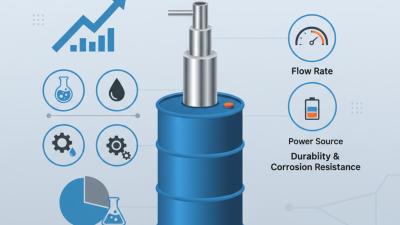
Performance depends heavily on liquid and hose arrangement. For water-like fluids, practical flow rates often range from 20 to 80 liters per minute. Thicker liquids reduce output sharply. At around 500 mPa·s, a pump may deliver only 10 to 35 liters per minute. At 1,000 mPa·s, results can vary further. Viscosity changes with temperature, too. Cold material can surprise operators.
Pressure head commonly falls between 5 and 15 meters, depending on motor power, tube length, fittings, and elevation. Every elbow adds resistance. A long discharge hose may reduce the measured flow more than expected. Drum capacity is usually 20, 60, or 200 liters, although the usable volume is smaller than the stated capacity. A pickup tube needs enough length to reach the bottom without scraping it. Field measurements should use the actual liquid, temperature, hose, and container. Catalog figures are useful, but they are not promises.
Safety Standards: ATEX 2014/34/EU, IEC 60529, and Electrical Grounding
What Is a Stainless Steel Drum Pump and How Does It Work?
A stainless steel drum pump transfers liquids from drums, barrels, or containers through a suction tube. A motor turns an internal rotor, moving fluid toward the discharge outlet. The stainless-steel body resists corrosion and supports repeated cleaning. However, material compatibility still matters. Stainless steel alone does not make every liquid safe to handle.
ATEX 2014/34/EU applies when equipment is designed for potentially explosive atmospheres. A compliant pump must match the site’s zone, equipment category, gas or dust group, and temperature class. Check the complete marking and Declaration of Conformity. Do not rely on a sales description. That shortcut can create a serious hazard. The pump, motor, cable, and accessories should support the same protection concept.
IEC 60529 defines Ingress Protection ratings, such as IP55 or IP65. The first digit concerns solids, while the second concerns water. An IP rating does not confirm ATEX suitability. Electrical grounding is equally important. Connect the pump to a verified grounding point before transferring flammable liquids. Use a continuity tester, inspect clamps, and remove paint or rust from contact areas. Bond the container and receiving vessel when required. Keep the connection secure during pumping. Small oversights matter. In real maintenance work, labels fade, cables loosen, and grounding checks get skipped. Records should show inspection dates, test results, and corrective actions. Safety depends on the whole installation, not one metal component.