Choosing the right barrel hand pump can influence transfer speed, workplace safety, and long-term operating costs. Global buyers often compare pumps for oils, detergents, lubricants, coolants, and other approved fluids. Each application has different demands.
This guide reviews ten barrel hand pump options for international purchasing teams, distributors, and maintenance professionals. It considers construction materials, drum compatibility, flow control, hose connections, seal quality, and cleaning requirements. Steel pumps may suit demanding workshop conditions. Polypropylene models can offer better resistance to selected chemicals. However, material claims must be checked against the fluid’s safety data sheet.
Small details matter. A rigid suction tube should reach the drum bottom without excessive force. A comfortable handle can reduce fatigue during repeated transfers. Thread adapters may prevent costly fitting problems. Buyers should also confirm whether the pump fits common 20-liter, 55-gallon, or metric drums. Do not assume universal compatibility.
Performance tests, supplier documentation, warranty terms, and replacement-part availability provide useful evidence. Independent certifications can strengthen confidence, but certification needs careful verification. Some products look similar while using different seals or internal mechanisms. That difference may appear only after weeks of use.
No ranking is perfect. A pump that performs well with light oil may struggle with thick grease. Price alone cannot show value. This selection offers a practical starting point, not a final purchasing decision. Responsible buyers should test samples, confirm regional requirements, and review safe handling procedures before placing large orders. That extra step may feel slow. It can prevent avoidable downtime.
Top 10 Barrel Hand Pumps for Global Buyers
What Barrel Hand Pumps Are and How They Work
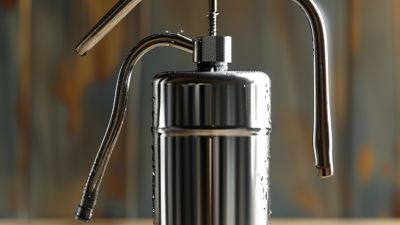
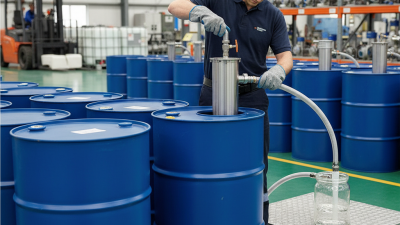
A barrel hand pump is a manually operated device for transferring liquids from drums or barrels. It usually fits through a threaded opening and uses a suction tube reaching near the container’s bottom. Common designs include lever, rotary, and piston mechanisms. Each type moves liquid without electricity, which helps in workshops, farms, warehouses, and remote work areas.
When you pull a lever or rotate a handle, internal seals create pressure changes. The pressure draws liquid upward through the tube, then pushes it through the outlet. A check valve may prevent the liquid from flowing backward. Flow speed depends on the pump design, liquid thickness, tube length, and operator effort. Thick oils usually require more force than water-based liquids. No pump works perfectly with every fluid.
Material compatibility matters. Check the liquid’s temperature, viscosity, and chemical properties before purchasing. Inspect the threads and tube length, because small mismatches can cause leaks or unstable operation. A clean seal improves performance, but worn seals should not be ignored.
Tips: Keep the intake tube above settled debris. Pump slowly at first. Watch for air leaks around the opening. Clean the outlet after use, even when the liquid looks clear. Some maintenance instructions are easy to overlook. That can become an expensive mistake.
Barrel hand pumps are manually operated devices used to transfer liquids from drums, barrels, and containers. Lever-action and piston mechanisms create suction or pressure, while rotary mechanisms use turning vanes to move the liquid. The figures below show representative output per 100 pump strokes for commonly used non-branded pump configurations.
Output varies with fluid viscosity, pump tube length, stroke speed, drum size, temperature, and hose configuration. Actual performance should be verified against the supplier's technical specification.
Comparing the top 10 barrel hand pumps requires more than checking advertised output.
Global buyers should match pump construction with the liquid, barrel opening, and workplace conditions. A stainless steel body resists corrosion better than basic plated metal. However, it can raise purchase costs.
Check the pump’s thread size and adapter range before ordering. Small mismatches can stop installation completely. Flow rate matters, but higher output is not always better.
Thick oils may need a wider outlet and stronger piston action. For water-like liquids, a smoother manual stroke can reduce splashing.
Measure discharge per stroke under realistic conditions, not only in a product brochure.
Seal material deserves careful attention. Chemical compatibility charts are more reliable than general claims. Look for replaceable seals, clear maintenance instructions, and accessible spare parts.
A pump that works well for one drum may perform poorly with another liquid. That detail is easy to miss.
For international purchasing, compare packaging strength, rust protection, operating instructions, and available test records. Regional thread standards and temperature changes can also affect performance.
Field inspections often reveal loose handles or weak clamps after repeated use, so cycle testing is valuable. Some evaluations remain incomplete because they overlook long-term storage.
Buyers should also consider weight, grip comfort, locking features, and safe control during transfer.
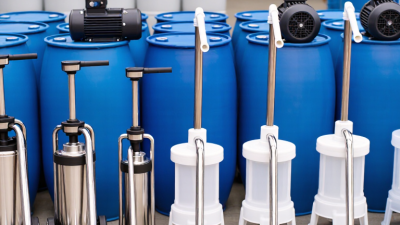
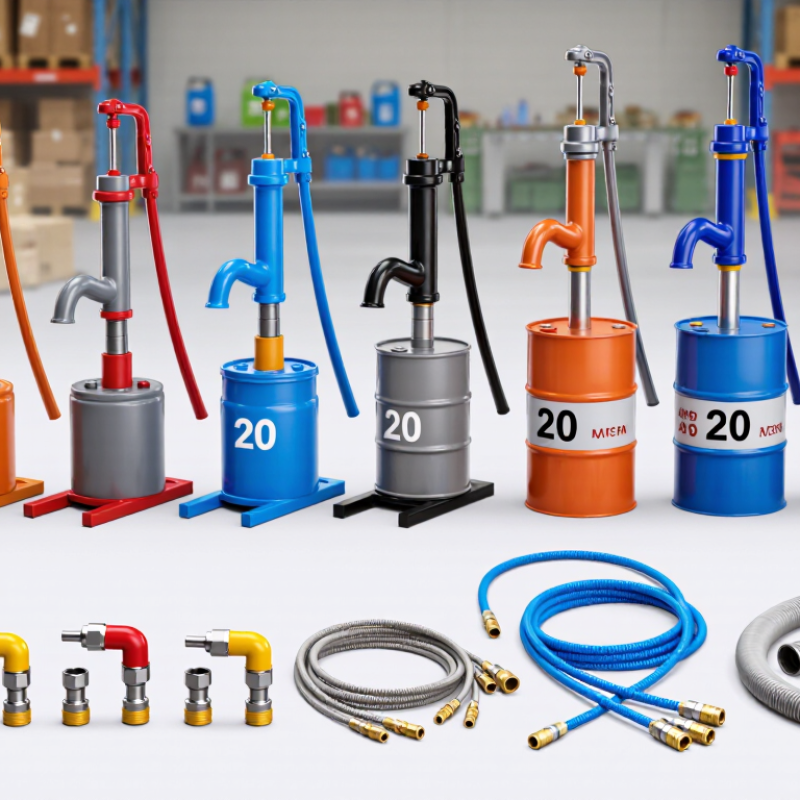
Barrel hand pumps should be chosen by use case, not appearance. For clean water, a simple lever pump offers steady flow and easy maintenance. Rotary pumps suit light oils and lubricants, especially in workshops. Piston designs handle thicker liquids but usually move less fluid per stroke. Siphon pumps work well for occasional transfers and limited storage areas. Diaphragm pumps can provide better separation when contamination is a serious concern.
For detergents and mild industrial fluids, check seal compatibility before ordering. Food-contact applications require suitable materials and documented hygiene controls. Telescopic pumps fit different barrel depths, while compact manual pumps help mobile teams. Performance depends on flow rate, suction lift, barrel opening, and operator effort. A pump that moves eight liters per minute may feel slow during large transfers. However, higher output can increase spills and fatigue. That trade-off is often overlooked.
Tips: Confirm thread size and drum opening measurements first. Compare wetted materials with the liquid safety data. Test the pump with a partly filled barrel. Inspect seals after the first week. Keep a spare gasket nearby. Even reliable pumps can leak when stored in heat or dust. My practical preference is a repairable design with clear replacement parts, though this is not always the cheapest option. Ask for flow test data, operating limits, and installation instructions before placing a global order.
Barrel hand pumps look simple, but fluid choice determines their real performance.
Compatibility comes first. Water, light oils, detergents, and aggressive chemicals require different seals, tubes, and pump bodies. The WHO/UNICEF Joint Monitoring Programme reported that 2.2 billion people lacked safely managed drinking water in 2022. For potable applications, select documented food-contact materials and avoid unverified metals that may release contaminants.
Viscosity changes everything. Thin fluids usually work with standard rotary or lever pumps, while thick oils need larger passages and slower operation. A pump rated for water may struggle with syrup-like liquids. Check the fluid’s viscosity at its actual storage temperature, not at room temperature alone. The U.S. Department of Energy’s pumping-system guidance emphasizes matching pump design with flow, pressure, and operating conditions. It is not just a capacity decision.
Chemical resistance needs equal attention. The UNEP Global Chemicals Outlook II projected global chemical production could double by 2030, increasing the variety of fluids handled across supply chains. Review concentration, temperature, and exposure time before choosing seals. Do not guess. Ask for compatibility charts and test samples when possible. A small leak around a gasket can contaminate a work area quickly. I have seen specifications overlook cold-weather performance; that mistake deserves more attention. A practical buyer should also verify drum threads, delivery length, grounding needs, and cleaning access before ordering.
Top 10 Barrel Hand Pumps for Global Buyers
Installation, Maintenance, Safety, and Purchasing Considerations
A practical top-ten list should begin with installation, not appearance. Confirm the barrel opening, thread size, fluid viscosity, and required flow rate. A pump that fits loosely can leak around the bung. Use a compatible gasket, tighten it evenly, and keep the suction tube above settled sediment. For thicker liquids, a longer handle and wider internal passage reduce effort. However, published flow figures often use clean, warm test fluids. Real output may be lower. That detail is easy to miss.
Maintenance should include rinsing, drying, and checking seals after each product change. Store the pump vertically when possible. Inspect the handle, tube, gasket, and discharge spout for cracks. Never use the same pump for incompatible fluids without proper cleaning. Safety deserves equal attention. The International Labour Organization estimated 2.93 million work-related deaths and 395 million non-fatal injuries globally in 2023. The U.S. Bureau of Labor Statistics recorded 5,283 fatal workplace injuries in 2023. These figures support simple controls: label every barrel, secure unstable containers, and avoid excessive force. Wear suitable eye and hand protection. Grounding may be necessary for certain flammable liquids, subject to local requirements. No checklist catches every failure. Purchasing teams should request material compatibility data, spare-part availability, warranty terms, and clear operating instructions. The cheapest option can become expensive after one damaged seal.
| Rank | Pump Type / Configuration | Typical Barrel or Drum Use | Common Materials | Approx. Output per Stroke | Suitable Fluids | Installation Considerations | Maintenance Requirements | Key Safety Considerations | Purchasing Priorities |
|---|---|---|---|---|---|---|---|---|---|
| 1 | Lever-Action Barrel Pump | Standard 55-gallon or approximately 200-liter drums | Steel body, polypropylene or acetal components, nitrile or fluorocarbon seals | Approximately 250–400 mL | Lubricating oils, hydraulic fluids, gear oils, and non-corrosive chemicals | Select a threaded bung adapter compatible with the drum opening; keep the suction tube vertical. | Flush after incompatible fluids, inspect the piston seal, and lubricate moving joints when required. | Confirm chemical compatibility and control the lever to prevent splashing or overfilling. | Adjustable suction-tube length, seal material, outlet design, and drum-thread compatibility. |
| 2 | Rotary Crank Barrel Pump | Industrial drums and containers requiring steady manual transfer | Cast aluminum or steel housing, stainless-steel shaft, elastomer seals | Approximately 250–500 mL | Diesel fuel, kerosene, light oils, and selected low-viscosity liquids | Secure the bung fitting and leave sufficient clearance for complete crank rotation. | Check shaft alignment, crank fasteners, seals, and internal contamination. | Use only with approved fluids; bond and ground equipment when transferring flammable liquids where required. | Flow consistency, corrosion resistance, crank ergonomics, and compatibility with flammable-service procedures. |
| 3 | Telescopic Plunger Pump | Drums with different heights or variable suction-tube requirements | Polypropylene, polyethylene, stainless steel, and chemically resistant seals | Approximately 150–300 mL | Water-based cleaners, oils, detergents, and compatible chemicals | Set the tube near the bottom without forcing it against the container floor; tighten the adjustment collar. | Inspect extension joints and replace worn seals that reduce priming performance. | Verify that all wetted materials are compatible with the liquid and wear suitable hand and eye protection. | Adjustment range, sealing reliability, tube rigidity, and resistance to the intended chemical. |
| 4 | Double-Diaphragm Hand Pump | Sensitive or moderately corrosive liquids in drums and portable tanks | Polypropylene or PVDF body, PTFE or elastomer diaphragm | Approximately 100–250 mL | Selected acids, alkalis, detergents, and water-based chemicals | Use the correct bung adapter and keep suction and discharge paths free from kinks. | Inspect diaphragm condition, check valves, and connections for leaks or loss of prime. | Review the chemical safety data sheet and never mix residues from incompatible chemicals. | Diaphragm material, chemical-resistance data, leak containment, and replacement-part availability. |
| 5 | Rotary Vane Drum Pump | Low- to medium-viscosity fuels and industrial oils | Steel or aluminum body, steel rotor, replaceable vanes and seals | Approximately 200–400 mL | Diesel, heating oil, lubricants, and compatible non-abrasive liquids | Mount firmly to the bung and check that the outlet hose can handle the operating pressure. | Keep the rotor clean, inspect vanes for wear, and replace damaged seals. | Avoid dry running and use grounding or bonding controls for flammable-liquid transfer. | Expected service life, spare-vane availability, maximum viscosity, and material compatibility. |
| 6 | Flexible Impeller Hand Pump | Clean, low-viscosity liquids where gentle transfer is useful | Polymer impeller, stainless-steel or polymer shaft, corrosion-resistant housing | Approximately 150–350 mL | Water, light oils, coolants, and selected food or process liquids | Prime the pump according to the instructions and avoid sharp bends in the discharge hose. | Rinse after use and examine the impeller for cracking, swelling, or deformation. | Do not operate beyond the specified temperature, pressure, or chemical limits. | Impeller material, hygiene requirements, dry-run tolerance, and maximum fluid temperature. |
| 7 | Hygienic Stainless-Steel Barrel Pump | Food, beverage, cosmetic, and pharmaceutical process containers | 304 or 316 stainless steel, food-contact elastomers, polished wetted surfaces | Approximately 150–300 mL | Water-based products, edible oils, syrups, and compatible sanitary liquids | Install with clean gloves and sanitary fittings; prevent contact between the tube and dirty surfaces. | Clean and sanitize according to the process procedure; inspect surface finish and seals. | Follow applicable hygiene procedures and confirm that materials meet the required regulatory standard. | 316 stainless-steel option, cleanability, surface finish, seal certification, and documentation. |
| 8 | High-Viscosity Piston Pump | Thick oils, greases, pastes, and heavy process materials | Steel or cast iron body, hardened piston, nitrile or fluorocarbon seals | Approximately 50–200 mL | Grease, heavy lubricants, viscous compounds, and non-abrasive pastes | Use a wide, short suction path where possible and ensure the drum is positioned securely. | Clean the piston, inspect seals, and remove hardened product before storage. | Use controlled force and keep hands clear of pinch points around the handle and linkage. | Maximum viscosity, piston diameter, handle leverage, seal temperature range, and spare-part cost. |
| 9 | Anti-Static Fuel Transfer Pump | Portable fuel drums used in workshops, farms, and field service | Conductive or metal body, fuel-resistant seals, antistatic hose where supplied | Approximately 200–400 mL | Diesel, kerosene, and other fluids specifically approved by the manufacturer | Use approved containers, verify grounding or bonding requirements, and install the delivery hose securely. | Check hose condition, seals, electrical continuity where applicable, and signs of leakage. | Keep away from ignition sources; do not smoke; control static discharge and use suitable spill protection. | Fuel approval, antistatic design, hose certification, flow rate, and compliance with local fire codes. |
| 10 | Multi-Purpose Plastic Siphon Pump | Light-duty transfer from small drums, jerrycans, and utility containers | Polyethylene or polypropylene body, PVC or polyethylene tubing | Approximately 100–250 mL | Water, washer fluid, light oils, and compatible non-hazardous liquids | Place the discharge point below the liquid level when using siphon action and secure both tubes. | Rinse thoroughly, dry before storage, and replace hardened or split tubing. | Never use by mouth to start a siphon; do not use with hazardous liquids unless specifically approved. | Tube length, chemical compatibility, check-valve performance, portability, and spill prevention. |
![]() |
Need Help? Call Us 203-740-1877
|
We're ready to help identify, size and spec your pumps, filters |
Pumps, Parts, and Equipment – Guidance Included
103 Hempel Drive
Wolcott, CT 06716
Telephone: 203-740-1877
Toll Free Fax: 866-523-1693
Email: sale@rewritertool.com