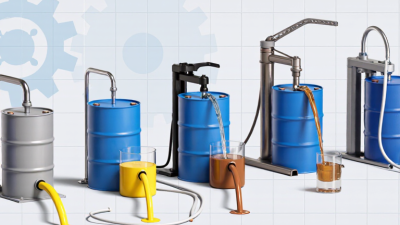
How to Use a Finish Thompson Drum Pump?
Using a finish thompson drum pump looks simple, but safe operation depends on several small decisions. The correct pump must match the liquid, container, temperature, viscosity, and required flow rate. A model designed for water may perform poorly with thicker chemicals. It may also create avoidable safety risks.
Safety researcher James Reason wrote, “We cannot change the human condition, but we can change the conditions under which humans work.” That principle fits drum-pump operation well. Before starting, inspect the tube, motor, hose, seals, and grounding connection. Confirm that every wetted component is compatible with the liquid. Wear suitable gloves, eye protection, and protective clothing. Keep the drum stable on a level surface. Never force a connection that feels misaligned.
This guide explains how to use a finish thompson drum pump from preparation through shutdown. You will see how to secure the pump, attach the discharge hose, control the flow, and prevent spills around the drum opening. A practical detail matters: keep the hose supported, rather than letting its weight pull against the pump outlet. Start slowly. Watch for vibration, leaks, unusual noise, or a sudden change in flow.
Some procedures vary by model. The manual still matters. It is easy to overlook. This introduction cannot replace the manufacturer’s instructions, site training, or a proper hazard assessment. It also cannot predict every liquid’s behavior. That limitation deserves attention. Good pumping is not merely about moving material quickly. It is about maintaining control, protecting people, and leaving the equipment ready for its next use.
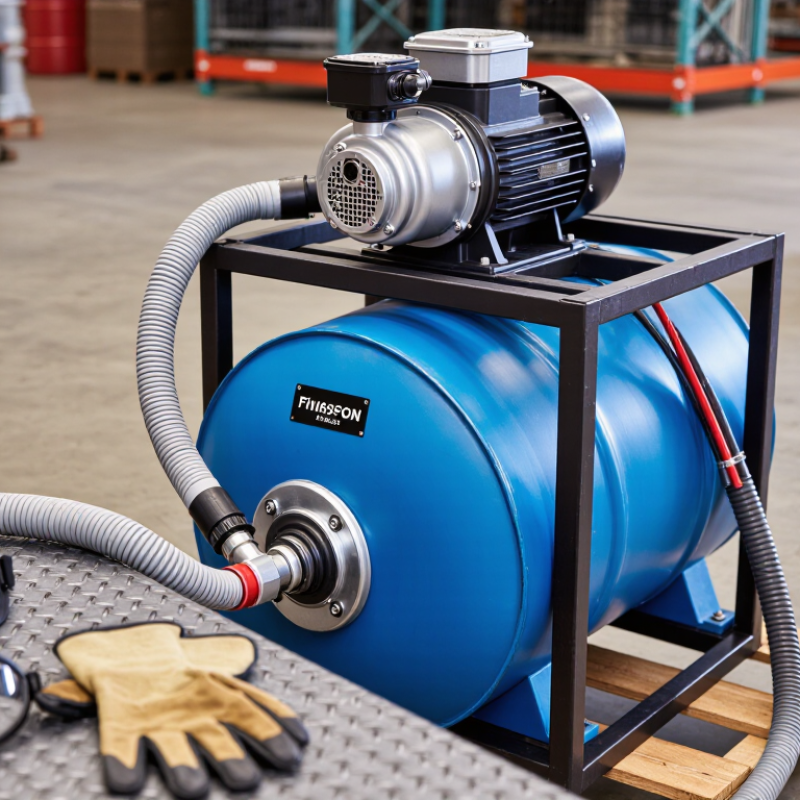
Choosing the Correct Finish Thompson Drum Pump and Accessories
Choosing the correct drum pump starts with the liquid, not the container. Check viscosity, temperature, density, and chemical compatibility before selecting a pump tube. A thin solvent may need a different motor than a thick cleaning concentrate. Read the liquid’s safety data sheet, then confirm the wetted materials. Polypropylene, stainless steel, and other materials behave differently in service. Guessing can cause swelling, leaks, or early wear.
Match the pump length to the drum depth. The intake should remain below the liquid surface without scraping the bottom. Select a motor for the required flow rate and duty cycle, not simply the highest power. For flammable or temperature-sensitive liquids, use suitable controls, grounding, and approved electrical equipment. A discharge hose, nozzle, seals, drum adapter, and flow-control valve should fit the same system. Small mismatches matter. A loose connection can drip across the floor.
In field work, I have found that operators often choose accessories last. That is backwards. A rigid hose may improve control, while a longer hose can increase resistance. Inspect the tube, seals, and cable before each use. Flush compatible residues after pumping. I once assumed a universal seal would solve a minor leak; it did not. Rechecking compatibility would have been faster. Keep records of the liquid, pump setting, and maintenance date. When specifications conflict, pause and ask a qualified supplier or safety professional. Conditions change, so every selection needs verification.
Inspecting the Pump, Drum, and Work Area Before Use
How to Use a Finish Thompson Drum Pump?
Before using any drum pump, inspect the pump, container, and surrounding area. Check the tube, handle, seals, and discharge fitting for cracks, swelling, or stiffness. A clean pump can still hide a brittle seal. Confirm that the pump material suits the liquid and that all connections fit securely. Inspect the drum for dents, leaks, unstable positioning, and unclear labels. Never rely on appearance alone.
The work area needs equal attention. Provide suitable ventilation, remove ignition sources, and keep absorbent materials nearby. For liquids that can create static electricity, use approved bonding and grounding procedures. OSHA’s 2023 data recorded 2,607,900 nonfatal workplace injury and illness cases in private industry. These cases were not all pump-related, but they show why small checks deserve time. Secure the drum before inserting the tube. Keep the outlet directed into the receiving container, not across the floor.
Tips: Wear suitable eye, hand, and body protection. Confirm the emergency shower and spill response equipment are accessible. If the pump feels rough, leaks, or operates unevenly, stop immediately. Do not improvise with damaged parts. A rushed inspection is still an inspection, but it may miss the detail that matters. Recheck the seal after the first few strokes; this simple step is easy to forget.
How to Use a Finish Thompson Drum Pump?
Inspecting the pump, drum, and work area before use
Before operating a drum pump, verify the condition of the pump, confirm that the drum and its connections are suitable, and make sure the work area is clean, stable, ventilated, and free from ignition sources. The checklist groups common pre-use verification points into three practical inspection areas.
Operating the Finish Thompson Drum Pump Step by Step
How to Use a Drum Pump Safely
Operating a drum pump begins with checking the container, liquid, and equipment. Read the safety data sheet before opening the drum.
OSHA estimates that hazard communication protects about 43 million workers across 5 million workplaces in the United States. That number reflects a simple truth: product information matters.
Wear chemical-resistant gloves, eye protection, and suitable footwear. Inspect the tube, seals, handle, and discharge hose for cracks. Confirm material compatibility with the liquid. Place the drum on stable ground, then secure it against movement.
For flammable liquids, follow the safety data sheet and applicable electrical-control procedures. NFPA 77 identifies bonding and grounding as essential controls against static ignition. Do not guess here.
Insert the suction tube without forcing it against the bottom. Attach the hose firmly, then position its end inside the receiving container. Turn the handle slowly to prime the pump. Keep the nozzle below the container rim.
Watch the flow, pressure, and hose connection continuously. Stop pumping if leakage, unusual resistance, or strong vapor appears. Small details become serious quickly.
I have found that rushing the first few turns causes avoidable splashing. That mistake deserves more attention than it usually receives.
When transferring is complete, stop the handle and allow the hose to drain. Close the container immediately. Wipe external residue with an approved material, and dispose of waste according to the safety data sheet. Never leave a filled pump unattended. Some instructions seem obvious. They are still easy to overlook.
Cleaning, Storage, and Routine Safety Checks
How to Use a Drum Pump: Cleaning, Storage, and Routine Safety Checks
A clean drum pump performs more predictably and reveals damage earlier. Before cleaning, stop the pump, isolate the container, and release pressure according to the equipment procedure. Wear chemical-resistant gloves and eye protection selected from the product’s safety data sheet. Never use water automatically. Some residues react with moisture or spread contamination. The U.S. Bureau of Labor Statistics recorded 2.6 million nonfatal workplace injuries and illnesses in 2023, showing why routine controls matter, even during simple maintenance. Inspect the tube, seals, handle, discharge hose, and grounding connection where required.
After use, drain the pump completely and clean it with a compatible solvent or approved method. Check for stiff movement, cracked plastic, corrosion, or a damaged gasket. A small leak is not harmless. Replace questionable parts before the next transfer. Store the pump upright in a dry, ventilated location, protected from sunlight and heat. Keep the intake tube capped when practical, but do not seal trapped liquid inside. Record the cleaning date, product handled, inspection results, and replacement parts. Records can feel excessive. They often expose repeating failures.
Tips: Keep a simple checklist beside the storage area. Confirm material compatibility before every job. The National Safety Council’s Injury Facts reports that overexertion and bodily reaction remain leading workplace injury categories, so avoid forcing a seized handle. If resistance increases, stop and investigate rather than applying extra strength. A second person can verify isolation and hose placement during higher-risk transfers.