Choosing the best electric barrel pump begins with the liquid, container, and working environment. A clear fluid may need different materials than a thick cleaning solution. Check viscosity, temperature, chemical compatibility, flow rate, and required discharge height before comparing models. Small details matter. A narrow drum opening can restrict tube size. A long hose can reduce flow. A pump that looks powerful may perform poorly when these conditions change.
Michael J. Volk, a respected pump specialist and author of Pump Characteristics and Applications, offers a useful principle: “The pump must be selected for the system, not the catalog.” This idea fits every electric barrel pump decision. Look beyond motor wattage. Examine the tube material, seal design, power supply, switch protection, and duty cycle. If the pump will run repeatedly, confirm its continuous operating rating. If operators move between containers, consider weight, grip, and cleaning time. I have seen equipment choices fail because buyers focused only on price and advertised flow. That mistake is easy to repeat. It is also avoidable.
Reliable selection requires manufacturer data, practical testing, and honest assumptions. Request performance curves when available. Compare the stated flow with real hose length and liquid resistance. Confirm whether the unit supports the intended barrel size. A good electric barrel pump should transfer material steadily, safely, and with minimal waste. The perfect model may not exist. The best choice is the one that matches actual conditions, including the inconvenient ones.
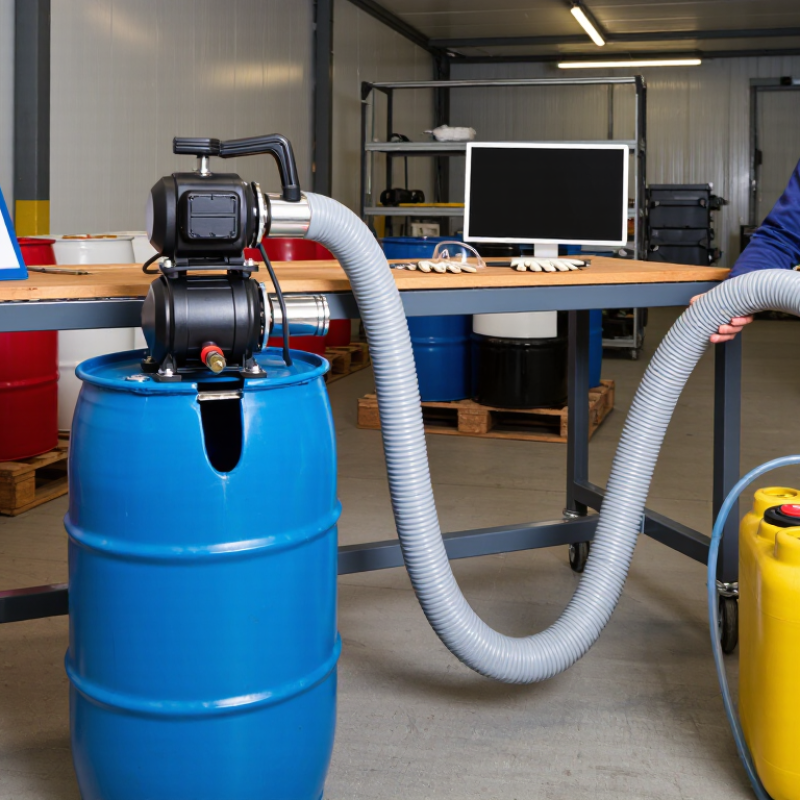
Start by identifying the liquid before comparing electric barrel pumps. Record its viscosity, temperature, density, and chemical compatibility. Water-like liquids need less power than thick oils or cleaning concentrates. Check whether the liquid contains particles, because narrow pump passages can clog easily.
I once selected a pump by flow rate alone. It transferred slowly when the liquid became colder. That mistake changed my selection process.
Measure the container opening, depth, and usable volume. A pump tube should reach the lowest practical level without scraping the bottom. Confirm the barrel material and opening size before ordering.
Then define the transfer distance, hose length, required flow, and lifting height. A long hose or raised outlet can reduce actual performance. Measure it twice. Choose a pump with a controllable flow when filling smaller containers. This helps prevent splashing and product loss.
For regular use, compare the duty cycle, motor protection, cable length, and cleaning method. The electrical rating must match the work environment and local safety requirements. Do not assume a pump is suitable because it fits the container. Liquid compatibility, grounding, ventilation, and operator training still matter.
Some details are easy to overlook. A short trial with the real liquid can reveal changes in flow, heat, or seal performance before full-scale use.
Material choice should follow the liquid, temperature, and storage environment. Polypropylene handles many mild chemicals and keeps the pump relatively light. Stainless steel suits demanding fluids, higher temperatures, and repeated industrial use. However, stainless steel is not automatically safer. Check seals, tubes, and hose materials for full chemical compatibility.
Power sources affect mobility and working time. A corded electric pump can deliver steady output during long transfers, but it needs a suitable outlet and careful cable placement. Battery-powered models improve access around storage areas. Their performance may drop as the battery weakens. I once underestimated this issue during a long transfer. The final containers filled noticeably slower. Motor voltage, duty cycle, and lifting height deserve equal attention.
Tips: Compare flow rates under real conditions, not only catalog figures. A thick liquid, narrow hose, or raised outlet can reduce output sharply. Test a small quantity before full operation. Watch for unusual vibration, heat, or pulsing, since these signs may reveal poor fit or restricted flow. A slower pump can sometimes provide better control and fewer spills. Record the actual transfer time for future purchasing decisions.
Choosing the best electric barrel pump starts with safety, not pumping speed. Look for overload protection, a grounded power system, and an accessible emergency shutoff. The motor should stay stable on a level surface, even when the barrel becomes lighter. Use suitable gloves and eye protection, and confirm the liquid’s safety data before handling it. A pump can appear quiet while creating hidden risks.
Compatibility matters just as much. Check the liquid’s viscosity, temperature, and chemical behavior against the pump’s wetted materials. Measure the barrel opening and hose connection carefully. A small mismatch can cause leaks or poor flow. I once focused too much on output rate and overlooked cleaning access. That was an expensive lesson. Select a model with adjustable flow when precise filling is important.
Tips: Test the pump with a small amount of compatible liquid first. Keep cables away from spills. Never run the pump dry unless its instructions allow it. Choose simple controls that operators can understand quickly, especially in dim storage areas. Inspect seals, hoses, and connectors before every use. Reliable operation depends on routine checks, although these checks are easy to neglect. Verify the operating instructions and maintenance schedule before purchase.
When evaluating an electric barrel pump, prioritize safe operation first, then confirm fluid compatibility and assess how easily the pump can be installed, controlled, and cleaned.
Recommended evaluation weighting: Safety features account for 40% of the decision, fluid compatibility for 35%, and ease of operation for 25%. Check grounding, overload protection, emergency shutoff, wetted materials, viscosity limits, seal compatibility, controls, portability, and cleaning requirements before selecting a pump.
Choosing the best electric barrel pump starts with maintenance, not maximum flow. In practical inspections, clogged strainers and worn seals cause more downtime than motor failure. The U.S. Department of Energy reports that pumping systems can consume 25–50% of industrial facility electricity. Efficient maintenance therefore affects both reliability and operating cost.
Check whether the pump allows quick seal inspection, simple filter cleaning, and tool-free access to key parts. A clear maintenance schedule should include cable checks, grounding inspection, lubrication guidance, and flow testing. The Hydraulic Institute recommends evaluating pumps as complete systems, not isolated components. That matters. A powerful pump can still waste energy when hoses are undersized or connections leak.
Portability also needs careful judgment. A balanced handle, manageable weight, and protected switch reduce handling risks around drums. The operating environment is equally important. Confirm chemical compatibility, liquid temperature, viscosity, dust exposure, and ventilation before purchase. IEC 60034 guidance highlights the importance of motor temperature and enclosure protection under changing conditions. In field use, I would leave extra capacity for seasonal viscosity changes, but not too much. Oversizing often increases energy use and makes control harder. My own preference is to test the pump with the actual liquid, because catalog data rarely reflects every workplace condition.
| Pump Configuration | Typical Fluid Suitability | Maintenance Needs | Portability Considerations | Operating Environment | Best-Fit Use |
|---|---|---|---|---|---|
| Centrifugal tube pump | Low-viscosity liquids such as water-like chemicals, light oils, and some cleaning solutions. Check material compatibility and the fluid’s solids content. | Flush after use when required by the fluid; inspect the impeller, shaft, seals, and tube for wear, deposits, or chemical damage. | Usually a practical choice for moving between drums. Consider motor weight, tube length, power-cord arrangement, and how the pump is stored. | Suitable only within the pump’s stated temperature, chemical-compatibility, and electrical ratings. Hazardous locations require equipment specifically approved for that use. | Frequent transfer of relatively thin liquids where straightforward handling and cleaning are priorities. |
| Positive-displacement tube pump | More viscous liquids than many centrifugal designs can handle; actual limits depend on pump design, fluid temperature, and required flow rate. | Inspect moving parts and seals regularly. Follow the manufacturer’s limits for pressure, dry running, and cleaning; viscous fluids can increase load and wear. | May be heavier or require a more robust drive than a basic centrifugal unit. Check whether the motor and tube can be separated for transport. | Confirm the fluid’s viscosity at the actual operating temperature, plus the pump’s pressure rating and compatibility with any suspended solids. | Applications where a controlled transfer of thicker liquids is needed and the pump is rated for the required viscosity and duty. |
| Sealless or magnetically coupled design | Fluids for which reducing leakage risk is important, provided the wetted materials are compatible with the liquid. | Inspect the tube, bearings, and wetted components as specified. “Sealless” does not mean maintenance-free; cleaning and wear checks may still be necessary. | Portability depends on motor size and construction. A compact unit can be useful for drum changes, but verify lifting and storage requirements. | Consider chemical compatibility, splash exposure, ventilation, and any site-specific electrical or hazardous-area requirements. | Transfer tasks where minimizing leakage at a conventional shaft seal is a key selection factor. |
| Variable-speed electric pump | A range of compatible fluids where adjustable flow is useful. Speed control does not make an unsuitable pump suitable for a particular fluid. | In addition to routine pump checks, inspect controls, connectors, and cables. Use only approved speed settings and operating procedures. | Check the combined weight of pump, motor, controller, and cables. Corded units need a suitable power source; battery-powered units need charging and battery care. | Protect electrical components from moisture, dust, and impact according to their rated enclosure and instructions. Confirm the available supply matches the pump rating. | Workplaces that need to adjust transfer rate for different containers or process steps. |
| Battery-powered electric pump | Fluids compatible with the pump’s wetted materials and within its rated performance limits. | Follow battery charging, storage, and inspection instructions. Check the pump and battery contacts for damage, contamination, or corrosion. | No mains cable is needed during operation, which can simplify movement. Runtime, battery weight, and availability of charged batteries affect usability. | Observe battery temperature limits and keep the unit within its stated protection rating. Do not assume battery power makes equipment suitable for hazardous areas. | Mobile transfer tasks where access to a suitable mains outlet is limited. |
Selection note: Verify fluid compatibility, viscosity, temperature, required flow and discharge conditions, electrical supply, and any applicable site approvals against the pump’s technical documentation before use.
Selecting the best electric barrel pump starts with the fluid, not the motor. Measure viscosity, temperature, density, and solids content before comparing models. A thin cleaning liquid may need high flow, while a thick coating may require slower discharge and stronger torque. The U.S. Department of Energy’s Improving Pumping System Performance guide notes that pumping systems can represent about 25% of industrial electricity use. Efficiency matters.
Match the pump to the container and daily workload. Check barrel depth, outlet height, required flow rate, and hose length. For frequent transfer, choose adjustable speed control and a motor rated for continuous duty. The International Energy Agency reports that electric motor systems consume over 40% of global electricity. Small efficiency gains can become significant across many operating hours. Do not ignore material compatibility. Stainless steel, seals, and tubes must resist the actual fluid, not merely a similar product listed on a chart.
Test before committing. A five-minute trial with the real fluid can reveal pulsing, overheating, or slow priming. I have seen specifications look perfect on paper, yet performance changed sharply in colder conditions. That part is easy to underestimate. Confirm enclosure protection, cable length, grounding arrangements, and cleaning access with a qualified technician. A heavier pump is not automatically better. A simple, well-matched unit may deliver steadier control, less waste, and easier handling.
![]() |
Need Help? Call Us 203-740-1877
|
We're ready to help identify, size and spec your pumps, filters |
Pumps, Parts, and Equipment – Guidance Included
103 Hempel Drive
Wolcott, CT 06716
Telephone: 203-740-1877
Toll Free Fax: 866-523-1693
Email: sale@rewritertool.com