What Is a Drum Transfer Pump and How Does It Work?

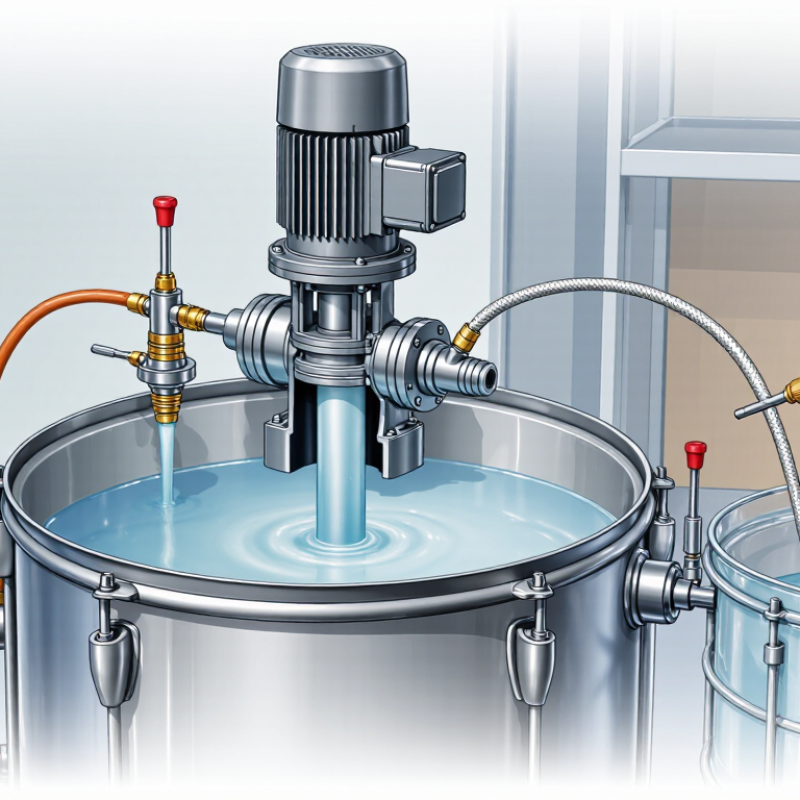
A drum transfer pump is a practical device for moving liquids from drums, barrels, or similar containers into another vessel or process line. It is commonly used with oils, lubricants, cleaning solutions, water-based chemicals, and other compatible fluids. The pump sits inside or connects to the drum opening. When powered by electricity, compressed air, or manual effort, it creates flow through a tube, hose, and dispensing nozzle.

Pump specialist Dr. Lev Nelik explains the basic principle simply: “A pump adds energy to a fluid.” That energy pushes liquid upward and through the outlet. The pump does not merely empty a drum. Its design controls speed, pressure, viscosity handling, and dispensing accuracy. A narrow tube may reach close to the drum bottom, reducing leftover liquid. A trigger nozzle can help the operator stop flow quickly. Small details matter.

A typical drum transfer pump includes a motor or drive, suction tube, seals, discharge hose, and control handle. Compatibility must be checked carefully. Fluid temperature, viscosity, container size, and chemical composition can affect performance. A pump suitable for light oil may struggle with thick syrup. That assumption causes trouble.

The following discussion explains how a drum transfer pump works, how its main parts interact, and where operating mistakes occur. It also considers safe handling, routine inspection, grounding where required, and proper material selection. Real performance depends on the complete setup, not the pump alone. Even a well-built unit can fail when the hose, seal, or power source is poorly matched.
What Is a Drum Transfer Pump and How Does It Work?

Definition and Purpose of a Drum Transfer Pump

What Is a Drum Transfer Pump and How Does It Work?

A drum transfer pump is a mechanical device designed to move liquids from a drum into another container, tank, or process line. Its main purpose is controlled transfer without lifting or tipping a heavy drum. This reduces spills, strain, and unnecessary exposure to the liquid.

Most units use a suction tube that reaches through the drum opening. A motor, air supply, or manual handle drives the pumping mechanism. The mechanism creates pressure differences that draw liquid upward and push it through a discharge hose. Flow rate depends on the pump design, liquid viscosity, tube length, and power source. Thin liquids usually move quickly. Thick liquids require more careful equipment selection.

In practical use, I inspect the drum connection, hose, seals, and fluid compatibility before starting. A small mismatch can cause leaks or damage. The pump should remain stable during operation, while the receiving container needs enough capacity. Grounding may also be necessary when transferring certain flammable liquids. Follow the applicable safety instructions.

Do not rely on appearance alone.

A clear liquid may still attack seals or tubing. Even experienced operators can overlook residue inside a used drum. That detail matters. I also recommend starting at a low flow rate, checking the connection, and adjusting gradually. The basic process seems simple, but safe performance depends on these small decisions.

Key Components and Their Functions

What Is a Drum Transfer Pump and How Does It Work?

A drum transfer pump moves liquid from a standard container into a hose, tank, or process line. Its main components determine safety, flow, and service life. The drive motor supplies rotation. A shaft carries that motion through the pump tube. Inside the tube, an impeller or rotor creates pressure and pushes liquid upward. Simple enough.

The suction tube reaches near the drum bottom, reducing leftover liquid. A bung adapter keeps the tube steady and limits spills. Seals around the shaft prevent leakage, while the discharge hose directs flow toward the receiving container. Many units also include a trigger nozzle, flow-control valve, and grounding connection. These parts matter when static electricity or flammable liquids create additional risk. Operators should match tube materials with the liquid, temperature, and required flow rate.

Efficiency deserves attention. The International Energy Agency’s Energy Efficiency 2023 report estimates that electric motor systems consume about 53% of global electricity. The U.S. Department of Energy also notes that pumping systems may use 20% of industrial electricity, reaching 25–50% in some facilities. A small drum pump cannot solve every energy problem. However, a worn seal, oversized motor, or restricted hose wastes power quickly. In field use, checking the tube, seal, and hose before every transfer remains practical. I still find one weakness: operators often trust rated flow more than real conditions. Viscosity, drum position, and hose length can change performance.

How a Drum Transfer Pump Works Step by Step

A drum transfer pump moves liquid from a sealed or open drum into another container, process line, or dispensing point. Its operation begins when the suction tube reaches near the drum’s bottom. A foot valve or inlet screen may reduce debris entry. When the motor starts, the pump shaft turns an impeller, diaphragm, or flexible rotor, depending on the design.

The rotating element creates a pressure difference. Atmospheric pressure then pushes liquid toward the inlet. The pump carries the liquid through internal passages and into the discharge hose. A control valve regulates the flow. A 2023 U.S. Department of Energy pumping-system assessment guide notes that pumping systems can represent a significant share of industrial motor energy use, so correct sizing matters. An oversized pump may increase heat, noise, and energy waste.

The operator should check hose connections before starting. The drum must remain stable. A grounded setup can reduce static risks when transferring flammable liquids, following applicable safety rules. The U.S. Occupational Safety and Health Administration highlights bonding, grounding, and suitable containers for flammable-liquid handling under 29 CFR 1910.106. Flow should begin slowly. This reveals leaks early. It also prevents splashing and sudden hose movement. In practice, the simple “insert, start, transfer” sequence can fail when viscosity changes, the inlet blocks, or air enters the tube. That detail is easy to overlook. Operators should inspect the tube, seal, and discharge path after each use, then record unusual vibration or reduced flow for maintenance review.

Common Types and Power Options

What Is a Drum Transfer Pump and How Does It Work?

A drum transfer pump moves liquid from a drum into another container, tank, or process line. A suction tube enters the drum, while the pump creates flow through an outlet hose. Its design depends heavily on the liquid’s viscosity, temperature, and required transfer speed.

Common types include hand-operated rotary pumps, diaphragm pumps, centrifugal pumps, and air-powered models. A rotary pump suits small transfers and provides simple control without electricity. Diaphragm pumps handle thicker fluids and can run at slower, steady rates. Centrifugal pumps offer faster flow, but they usually require a suitable power source and enough liquid for proper priming. Electric pumps are convenient for repeated work, while battery-powered units improve mobility. Air-powered pumps can be useful where electrical equipment is unsuitable, but they need a reliable compressed-air supply.

Power choice matters more than many users expect. A higher-rated motor does not always mean better performance. It may increase heat, noise, or unnecessary flow. Technicians should check hose length, lifting height, outlet size, and fluid compatibility before selecting a pump. Small details matter.

Tips: Inspect seals and hoses before each transfer. Keep the suction tube clear of sediment. Ground equipment when the fluid and workplace require it. Never run a pump dry unless its instructions allow that condition. In practice, users sometimes choose speed over control, then discover spills are harder to prevent. A slower pump can be the wiser choice.

Safety Practices and Typical Applications

A drum transfer pump moves liquids from a drum into a smaller container, process line, or mixing tank. Its pickup tube reaches through the drum opening. A hand lever, air motor, or electric motor then creates pressure and draws liquid upward. The pump’s wetted parts must match the chemical. Corrosion is not always visible.

Safety deserves more attention than speed. The U.S. Bureau of Labor Statistics recorded 5,283 fatal work injuries in 2023, showing why routine material handling still needs control. For flammable liquids, workers should bond and ground conductive containers, control ignition sources, and use suitable electrical equipment. NFPA 30, Flammable and Combustible Liquids Code, supports these practices. Operators should inspect hoses, seals, and drum threads before transfer. Never force a leaking connection. A small spill can become a slip hazard, exposure risk, or fire concern. Ventilation matters, especially with volatile liquids.

Tips: Confirm the liquid’s safety data sheet before pumping. Keep the receiving container stable. Start slowly and watch the discharge point. Use secondary containment. Clean drips immediately. EPA’s 2022 Toxics Release Inventory National Analysis reported 30.1 billion pounds of production-related chemical waste managed in the United States. That figure includes recycling and treatment, but it still reflects the scale of chemical handling. Drum pumps commonly serve laboratories, maintenance rooms, water-treatment areas, agriculture, and light manufacturing. Some operations still choose equipment by price alone. That decision deserves a second look.

What Is a Drum Transfer Pump and How Does It Work? - Safety Practices and Typical Applications

Data Dimension Typical Data or Specification Description and Practical Considerations
Equipment definition Portable pump for transferring liquids from drums, barrels, totes, and similar containers A drum transfer pump normally consists of a pump tube, drive unit, discharge outlet, and compatible hose or pipe connection.
Basic operating principle The pump tube is inserted through the container opening and the drive unit rotates or moves an internal pumping element The pumping element creates a pressure difference that draws liquid through the tube and sends it through the discharge line.
Common drive types Manual, electric, and pneumatic Manual models suit low-volume or intermittent work. Electric models provide convenient continuous transfer. Pneumatic models can be suitable where compressed air is preferred or electrical equipment requires restriction.
Typical container capacity Approximately 20–220 L for common drums and small containers The pump tube length and bung or opening adapter must match the container. Larger intermediate bulk containers may require a different pump arrangement.
Typical flow range Approximately 5–100 L/min, depending on pump type and liquid Actual flow depends on viscosity, lift height, hose length, outlet restrictions, motor speed, and the condition of the pump.
Suitable liquid viscosity From water-like liquids to moderately viscous liquids; the allowable range is model-specific Higher-viscosity fluids generally reduce flow and may require a slower-speed pump, larger passages, or a different pump technology.
Wetted materials Common materials include polypropylene, stainless steel, aluminum, and elastomers selected for chemical compatibility Material selection must be based on the liquid’s chemical composition, temperature, concentration, and exposure time. Compatibility charts should be checked before use.
Transfer direction Usually from a drum to a receiving tank, process vessel, container, or dispensing point Some powered pumps can support reversible flow, but reverse operation should only be used when specifically permitted by the equipment instructions.
Typical applications Chemical transfer, solvent dispensing, lubricant handling, wastewater operations, laboratory work, and process-fluid movement The pump is useful when liquid must be moved without tilting or manually lifting a heavy container.
Primary benefit Controlled transfer with reduced manual handling Using a pump can help reduce spills, lifting strain, and exposure caused by pouring directly from a drum.
Pre-use inspection Check the tube, seals, hose, fittings, power or air connections, grounding provisions, and emergency shutoff Do not operate equipment with cracked components, damaged insulation, leaking seals, loose fittings, or signs of corrosion.
Container stability The drum should remain upright, stable, and secured against movement A stable container helps prevent tipping, hose pullout, spills, and damage to the pump tube.
Grounding and bonding Required when transferring flammable liquids where static electricity could create an ignition hazard Bond conductive containers and receiving equipment as required by site procedures, and use electrically suitable equipment for the hazardous area.
Flammable or combustible liquids Use only equipment approved for the relevant hazardous classification and liquid service Keep ignition sources away, provide ventilation, control static discharge, and follow applicable workplace and fire-safety requirements.
Personal protective equipment Chemical-resistant gloves, eye or face protection, protective clothing, and safety footwear as indicated by the hazard assessment The safety data sheet for the liquid should determine the required protection, exposure controls, and spill-response equipment.
Priming and dry running The pump tube should normally be immersed before starting; many pumps must not run dry Dry running can overheat or damage internal components and may generate unwanted friction or static. Follow the equipment’s operating limits.
Spill prevention Use compatible hoses, secure connections, secondary containment, and a receiving container with sufficient capacity Stop the pump before disconnecting the hose, relieve pressure where applicable, and close the container after transfer.
Cleaning between liquids Flush or clean the wetted parts using a compatible procedure Cleaning prevents cross-contamination and helps avoid chemical reactions caused by incompatible residues.
Maintenance interval Inspect before each use; replace worn seals, hoses, and other service parts as needed Maintenance frequency depends on operating hours, liquid properties, temperature, cleanliness, and the manufacturer’s instructions.