Choosing the right electric barrel pump can affect transfer speed, workplace safety, maintenance costs, and product quality. Global buyers often compare models across different suppliers, voltage systems, container sizes, and compliance requirements. This guide examines ten practical options for industrial, agricultural, laboratory, and commercial applications.
A dependable pump should match the liquid, drum opening, required flow rate, and operating environment. Water-like chemicals may need different materials from oils, detergents, or thicker fluids. Stainless steel, polypropylene, and reinforced seals each offer useful advantages. Check compatibility carefully. A pump that handles thin liquids may struggle with viscous materials.
Electrical details also deserve close attention. Buyers should verify voltage, frequency, plug type, motor protection, cable length, and grounding arrangements before ordering. Regional certification requirements can vary, so supplier documentation matters. Look for clear technical sheets, test records, warranty terms, and responsive after-sales support. These details often reveal more than an attractive product photograph.
Real-world handling is important, too. A long barrel tube can reach the bottom of a 200-liter drum, while a balanced motor reduces operator fatigue. Some models provide adjustable flow control. Others focus on simple, economical transfer. Neither approach is automatically better. It depends on the application.
This comparison is not a perfect ranking. Product availability, pricing, and specifications may change. Buyers should confirm current data directly with manufacturers and qualified distributors. Small details matter. A careful review can prevent leaks, downtime, and unsuitable purchases.
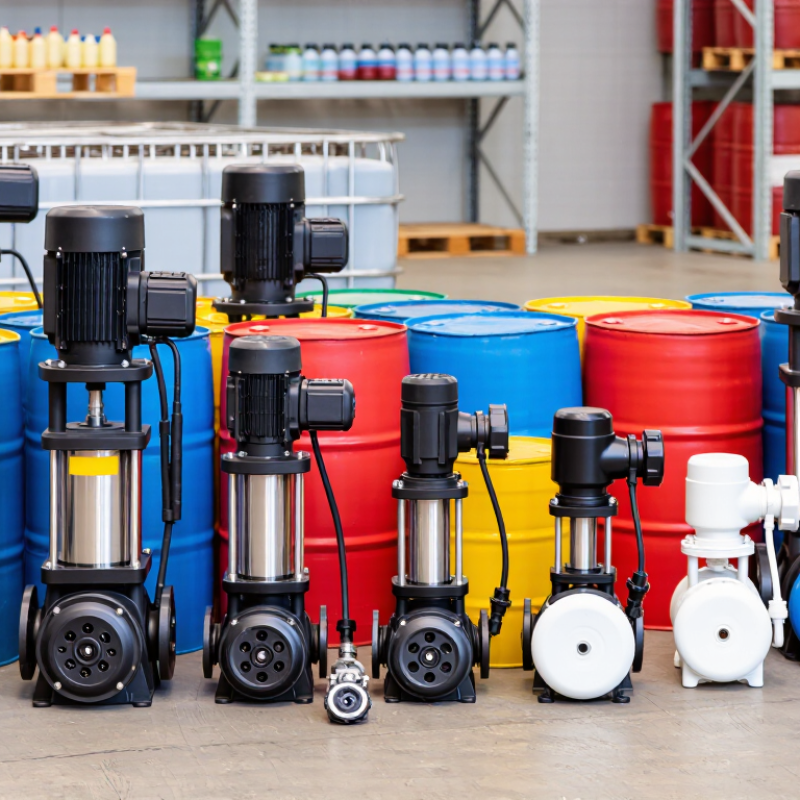
Electric barrel pumps are portable transfer devices designed to move liquids from drums, barrels, tanks, or intermediate containers. A motor turns an internal shaft and impeller, drawing liquid through a suction tube and pushing it through a discharge hose. Some models use positive-displacement mechanisms for thicker fluids. Others use centrifugal impellers for faster movement of low-viscosity liquids.
It is not a vacuum. The pump creates flow by adding mechanical energy to the liquid. Motor speed, impeller design, tube length, and fluid viscosity determine the final flow rate. The U.S. Department of Energy’s Pumping Systems Tip Sheet reports that pumping systems can consume 25% to 50% of electricity in some industrial facilities. Efficient motor selection therefore affects operating cost, not just transfer speed. Variable-speed control can reduce unnecessary energy use, though it may add purchasing and maintenance complexity.
Global buyers should verify voltage, frequency, motor enclosure, hose compatibility, temperature limits, and maximum viscosity. Materials touching the liquid must resist swelling, corrosion, and seal failure. Small errors matter. A pump tested with water may perform poorly with syrup-like fluids. Practical trials using the actual liquid remain valuable, even when technical data sheets appear complete. The European Commission’s Ecodesign work on electric motors also highlights the importance of efficiency across operating conditions, rather than relying only on peak ratings. Safe grounding, overload protection, and documented operating procedures should accompany every selection.
Selecting among the top electric barrel pumps requires more than comparing flow rates. Start with the liquid’s viscosity, temperature, density, and chemical compatibility. A thin solvent and a thick detergent can demand completely different impeller designs. Check the pump tube, seals, and discharge hose materials carefully. Small seal swelling can cause leakage within hours. It happens.
The U.S. Department of Energy reports that pumping systems may represent about 25% of industrial electricity consumption. Therefore, compare motor efficiency, operating current, duty cycle, and speed control. A high-flow model may waste energy when users only need controlled dispensing. Measure actual transfer time with a full barrel, not an empty test container. That practical test often changes the ranking.
For global purchasing, verify voltage, frequency, plug configuration, ingress protection, and electrical certification for the destination market. Also compare noise, lifting weight, tube length, dry-run tolerance, and replacement-part availability. Hydraulic Institute guidance emphasizes system performance, not motor ratings alone. The pump must match the hose, nozzle, and elevation. I would also question impressive laboratory figures when field data is missing. A reliable comparison records flow, amperage, temperature rise, and leakage after repeated cycles. Cost matters, but downtime usually matters more.
Choosing among the top 10 electric barrel pumps requires more than comparing flow rates. Global buyers should match the pump to liquid viscosity, barrel depth, temperature, and daily operating hours. A thin cleaning solution may need a different tube and motor than a thick food-grade syrup.
A practical evaluation should examine motor power, adjustable flow, tube material, and connection size. Pumps with corrosion-resistant wetted parts suit many industrial environments. For food, cosmetic, or water-related applications, buyers should verify suitable materials and cleaning procedures.
Electrical safety also matters. Confirm the local voltage, plug format, grounding method, and enclosure rating before ordering. Clear manuals and replacement-part access improve reliability across different regions. Certification documents should be current and traceable.
A good selection also considers hose length, lifting height, drum opening size, and operator comfort. Portable designs can reduce handling effort, but lighter construction may reduce durability. I would not judge a pump from specifications alone. Request test data, inspect sealing areas, and ask whether the pump can run continuously. Real conditions often expose weaknesses that product sheets leave out.
Top 10 Electric Barrel Pumps for Global Buyers
How to Match Pump Types With Fluids and Applications
Choosing an electric barrel pump starts with the fluid, not the pump price. Thin liquids, such as water-based cleaners, usually suit centrifugal or small impeller designs. These pumps deliver steady flow with simple operation. Thick oils, syrups, and lubricants need positive displacement pumps. Gear, diaphragm, or progressive cavity designs handle resistance more effectively.
Check viscosity at the actual operating temperature. A fluid may flow easily in a warm warehouse but move slowly outdoors. That detail changes motor load and discharge speed. Also review chemical compatibility. Stainless steel may suit many solvents, while seals require closer attention. EPDM, PTFE, and Viton-type materials behave differently. A supplier’s compatibility chart helps, but testing a sample is wiser.
Application conditions matter just as much. Select a longer dip tube for deep drums and a shorter unit for narrow containers. Match the pump’s flow rate to the filling nozzle, hose length, and required transfer time. Continuous transfer needs a motor rated for extended duty. Intermittent use may allow a lighter design. Grounding, enclosure rating, and local electrical certification should be verified before installation.
One mistake is choosing maximum flow without checking shear or splash. That can waste material and create cleanup work. Noise also matters near operators. I would record viscosity, temperature, container size, and daily cycles before comparing ten models. The most powerful pump is not always the most practical. Small field tests can reveal problems that specifications miss.
| Rank | Pump Type | Best-Matched Applications | Suitable Fluids | Typical Viscosity Range | Typical Flow Range | Recommended Wetted Materials | Key Selection Notes and Limitations |
|---|---|---|---|---|---|---|---|
| 1 | Electric Drum Transfer Pump | Routine transfer from 55-gallon drums, IBC containers, and process vessels. | Water, detergents, liquid fertilizers, mild chemicals, coolants, and low-viscosity oils. | Up to about 1,000 cP | 10–80 L/min | Polypropylene or PVDF tubes; stainless steel shafts; PTFE or elastomer seals selected for the fluid. | Choose a sealed motor for splash-prone areas. Confirm chemical compatibility, discharge-hose size, and whether the fluid contains solids. |
| 2 | Electric Centrifugal Barrel Pump | Fast movement of clean, low-viscosity liquids over short or moderate distances. | Water, solvents, light acids, alkaline solutions, and liquid cleaning products. | 1–200 cP | 20–150 L/min | 316 stainless steel for many general liquids; polypropylene or PVDF for selected corrosive chemicals. | Flow decreases as viscosity or discharge head increases. It is not the preferred choice for abrasive solids, thick fluids, or dry running. |
| 3 | Electric Air-Operated Double-Diaphragm Style Pump | Safe transfer of chemically aggressive, shear-sensitive, or solids-bearing liquids. | Acids, alkalis, slurries, emulsions, paints, wastewater, and contaminated liquids. | Up to about 20,000 cP | 5–120 L/min | PTFE, polypropylene, PVDF, or stainless steel; diaphragm material must match the fluid. | Electric versions require a suitable drive and control system. Pulsating flow may require a dampener, and diaphragm wear should be monitored. |
| 4 | Electric Gear Barrel Pump | Metered or steady transfer of lubricating and moderately viscous liquids. | Lubricating oils, hydraulic fluids, resins, inks, coatings, and plasticizers. | 50–50,000 cP | 2–60 L/min | Hardened steel or stainless steel gears; PTFE, FKM, or other compatible seals. | Provides relatively smooth flow but is sensitive to abrasive particles. A relief valve is recommended where discharge pressure can rise. |
| 5 | Electric Progressive Cavity Barrel Pump | Low-pulsation transfer of thick, abrasive, or solids-containing products. | Adhesives, pastes, sludge, creams, sealants, filled coatings, and food-grade viscous products. | Up to about 100,000 cP | 1–100 L/min | Stainless steel rotor; elastomer or PTFE stator selected according to chemical and temperature requirements. | Never operate dry for extended periods because the stator can overheat. Verify solids size, temperature, and elastomer compatibility. |
| 6 | Electric Peristaltic Barrel Pump | Contamination-sensitive dosing and transfer where the fluid should contact only the hose. | Corrosive chemicals, slurries, abrasives, biological liquids, wastewater, and shear-sensitive fluids. | Up to about 10,000 cP | 0.1–40 L/min | Hose options include silicone, EPDM, PVC, thermoplastic elastomer, or reinforced rubber. | Excellent fluid isolation, but hose life depends on pressure, speed, temperature, and chemical exposure. Pulsation is inherent to the design. |
| 7 | Electric Screw Barrel Pump | Stable transfer of high-viscosity fluids at controlled pressure and low shear. | Heavy oils, molasses, syrups, greases, polymers, bitumen blends, and thick detergents. | 1,000–250,000 cP | 1–50 L/min | Stainless steel or coated alloy screw components; seals chosen for temperature and chemical exposure. | Often requires a large inlet and positive suction conditions. Check starting torque, product temperature, and maximum discharge pressure. |
| 8 | Electric Magnetic-Drive Barrel Pump | Leak-minimized transfer of hazardous or highly corrosive liquids. | Strong acids, aggressive solvents, plating chemicals, and toxic process liquids. | 1–300 cP | 5–100 L/min | Fluoropolymer-lined components, ceramic or carbon wear parts, and corrosion-resistant plastics. | Sealless construction reduces leakage risk, but the pump must not run dry. Solid particles and excessive temperature can damage internal components. |
| 9 | Electric Explosion-Protected Barrel Pump | Transfer of flammable liquids in classified or hazardous-area environments. | Flammable solvents, alcohols, fuels, thinners, and certain hydrocarbon products. | 1–500 cP | 10–80 L/min | Stainless steel or conductive construction with compatible seals, grounding, and bonding accessories. | Electrical certification must match the local hazardous-area classification. Ground the container and pump, and verify vapor compatibility before operation. |
| 10 | Electric Food and Pharmaceutical Barrel Pump | Hygienic transfer in food, beverage, cosmetic, biotechnology, and pharmaceutical production. | Edible oils, syrups, liquid supplements, dairy ingredients, cosmetic liquids, and sanitary process fluids. | 1–10,000 cP | 5–100 L/min | 316L stainless steel with polished surfaces; food-grade silicone, EPDM, or PTFE seals. | Confirm hygienic design, clean-in-place requirements, surface finish, temperature rating, and applicable food or pharmaceutical standards. |
Selecting the top 10 electric barrel pumps requires more than comparing flow rates. Global buyers should examine safety, standards, power compatibility, and service access. The International Energy Agency reports that electric motor systems consume roughly 43–46% of global electricity. Efficient motors therefore matter, even in compact transfer equipment.
Safety begins with the liquid and workplace. Check chemical compatibility, grounding, overload protection, and emergency shutoff functions. IEC 60204-1 supports safer electrical equipment for machinery, while IEC 60529 defines enclosure protection through IP ratings. Dusty areas may require higher ingress protection. Hazardous locations need region-specific certification, such as IECEx or ATEX. A familiar label is not enough.
Power details often expose buying mistakes. Confirm voltage, frequency, plug design, motor duty cycle, and starting current before ordering. A pump rated for 230 V may not suit a 220 V site without verification. Viscosity also changes real output; a thin solvent and thick syrup will not transfer alike. The U.S. Department of Energy’s motor-system guidance links correct sizing with lower energy waste, but buyers still overvalue maximum flow. That habit deserves reconsideration.
Support should include spare tubes, seals, cables, manuals, and response times. Ask whether technicians can troubleshoot remotely and whether documentation is available in the operating region. A cheaper unit can become expensive when one seal requires weeks to replace. I would also request a sample transfer test. Published figures sometimes look precise, yet actual results depend on hose length, temperature, and operator technique.
![]() |
Need Help? Call Us 203-740-1877
|
We're ready to help identify, size and spec your pumps, filters |
Pumps, Parts, and Equipment – Guidance Included
103 Hempel Drive
Wolcott, CT 06716
Telephone: 203-740-1877
Toll Free Fax: 866-523-1693
Email: sale@rewritertool.com