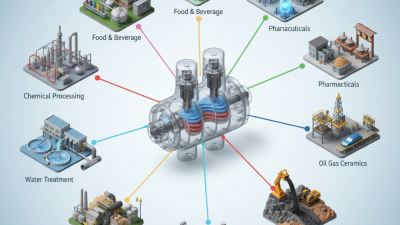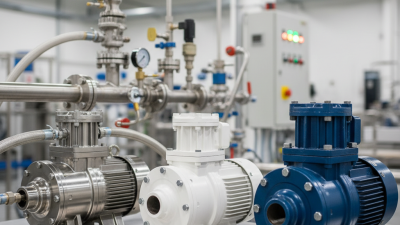
Choosing a reliable pneumatic diaphragm pump manufacturer requires more than comparing factory photos or advertised prices. This guide examines ten leading manufacturers in China through practical purchasing criteria. These include production experience, pump materials, flow performance, pressure stability, testing procedures, and after-sales support. The review considers suppliers serving chemical processing, wastewater treatment, food production, mining, and general industrial applications.
Real equipment details matter. A pump handling corrosive liquid may require PTFE diaphragms and reinforced polypropylene bodies. A workshop transferring sludge may need larger air valves, easier maintenance, and stronger solids-handling capability. Buyers should also check air consumption, connection standards, spare-part availability, and documented quality controls. Certifications can support trust, but they should be verified against the actual product and intended market.
No list is perfect. Some supplier information changes quickly, and public data may not reveal long-term field performance. Therefore, this comparison avoids relying on claims alone. It encourages readers to request test records, installation references, material certificates, and clear warranty terms before making a decision. Factory communication also reveals practical experience: Can the team explain pulsation, diaphragm wear, and pressure limits in specific terms?
The selected manufacturers are presented as potential partners, not automatic choices. Each company may fit a different operating environment, budget, or maintenance strategy. Careful comparison remains essential. A dependable pneumatic diaphragm pump should deliver consistent service, safe operation, and manageable ownership costs. That standard is demanding, but it is more useful than choosing by rank alone.
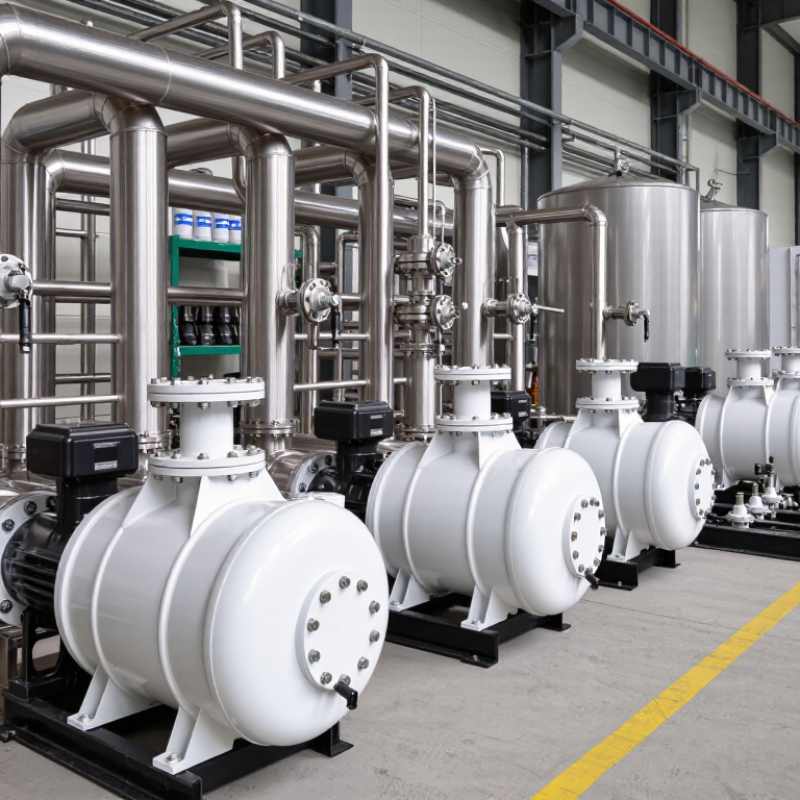
A pneumatic diaphragm pump is a positive-displacement pump powered by compressed air. Air moves a flexible diaphragm back and forth inside the pump chamber. This movement creates suction and discharge pressure. Check valves then guide the liquid in one direction. The pump does not need an electric motor at the liquid side, which can simplify installation in demanding work areas.
These pumps handle water, chemicals, sludge, coatings, and liquids containing small solids. They are usually self-priming and can run dry for limited periods without immediate damage. Flow can be adjusted by changing air pressure or air volume. However, higher air pressure does not always mean better performance. Excessive pressure may increase wear, noise, and operating costs. A pulsation dampener can also produce a steadier discharge.
Material selection requires practical knowledge of the fluid. Diaphragms and valve seats must resist chemical attack, temperature, and abrasion. In field maintenance, blocked strainers and wet compressed air are common causes of unstable flow. Clean, regulated air protects internal parts. Grounding may also be necessary when handling flammable liquids, according to local safety requirements. The phrase “maintenance-free” is misleading; diaphragms, seals, and valves still need inspection. A careful pump choice considers viscosity, suction lift, solid size, air quality, and duty cycle rather than relying on catalog flow alone.
Evaluating Chinese pneumatic diaphragm pump manufacturers requires more than comparing quotations. Fortune Business Insights values the global diaphragm pump market at about USD 6.15 billion in 2023, with continued growth through 2030. This expansion attracts capable factories, but also inconsistent suppliers. Request ISO 9001 certification, audited production records, and traceable material certificates. Ask who controls the elastomer compound, valve geometry, and final assembly process.
Test evidence matters more than polished catalogs. Request a performance curve showing flow, discharge pressure, air consumption, and suction lift. A credible manufacturer should provide test conditions, not only maximum figures. For example, check whether a claimed 200 liters per minute was measured with water, at room temperature, and through a short hose. Real installations use longer piping, chemical exposure, and fluctuating air pressure. Look for endurance-test data, leak inspections, and documented failure analysis.
The Global Pump Market Report by Research and Markets highlights energy efficiency as a major purchasing factor. Compare air consumption at the same delivered flow. Also inspect spare-part availability, diaphragm replacement time, packaging protection, and response procedures. A factory audit can reveal small details: organized molds, labeled batches, calibrated gauges, and clean assembly benches. I would not trust one successful sample alone. Test several units from different production batches. That costs more, but one overlooked valve defect can stop an entire process.
This procurement model assigns a 100-point evaluation framework to the most important purchasing dimensions. Performance should be verified through datasheets, sample testing, quality documentation, material certificates, service records, and total cost analysis rather than price alone.
China’s Top 10 Pneumatic Diaphragm Pump Manufacturers should be assessed through factory evidence, not promotional claims. The global diaphragm pump market was valued at about USD 6.39 billion in 2023, according to Fortune Business Insights. Its forecast also indicates continued growth through 2030, supported by chemical processing, water treatment, and industrial automation.
For buyers, the strongest Chinese manufacturers usually demonstrate stable air distribution systems, corrosion-resistant wetted parts, and repeatable flow control. MarketsandMarkets estimates that the air-operated double-diaphragm pump sector will continue expanding through 2028, with demand linked to safer fluid transfer and flexible installation. This trend matters on the factory floor. A pump handling abrasive slurry needs different testing from one moving clean solvents.
Useful evaluation points include diaphragm cycle life, maximum air pressure, dry-running tolerance, spare-parts availability, and documented quality controls. ISO 9001 certification helps, but it does not replace performance testing. Ask for test records, material certificates, and videos of assembly lines. Small details matter.
However, any top-ten list has limits. Market data often combines several pump types, while some production figures are self-reported. That weakness deserves attention. A practical review should compare independent inspection results, warranty terms, delivery records, and after-sales response time. Price alone can mislead. A low-cost pump may create higher downtime, especially when seals fail during continuous operation.
| Market Profile | Pump Configuration | Typical Maximum Air Pressure | Typical Flow Capacity | Typical Fluid Pressure | Common Wetted Materials | Maximum Solid Particle Size | Typical Fluid Temperature Range | Common Applications | Key Selection Considerations |
|---|---|---|---|---|---|---|---|---|---|
| Profile 01 | Compact air-operated double-diaphragm pump | 7.0 bar | Up to 50 L/min | Up to 7.0 bar | Polypropylene body; PTFE, Santoprene or NBR diaphragms | Up to 3 mm | Approximately -20°C to 80°C | Laboratory transfer, dosing support and small chemical systems | Low flow control, chemical compatibility and compact installation |
| Profile 02 | Aluminum-bodied industrial AODD pump | 8.3 bar | Up to 180 L/min | Up to 8.0 bar | Aluminum or stainless steel; NBR, EPDM or PTFE elastomers | Up to 6 mm | Approximately -20°C to 100°C | Paint, ink, wastewater and general industrial transfer | Port size, abrasion resistance and required air consumption |
| Profile 03 | Stainless-steel sanitary diaphragm pump | 7.0 bar | Up to 250 L/min | Up to 7.0 bar | 316 or 316L stainless steel; PTFE, EPDM or food-grade elastomers | Up to 6 mm | Approximately -20°C to 120°C | Food, beverage, cosmetics and pharmaceutical processing | Surface finish, cleanability, hygienic connections and certification |
| Profile 04 | High-flow metal AODD pump | 8.6 bar | Up to 500 L/min | Up to 8.0 bar | Aluminum, ductile iron or stainless steel; PTFE, NBR or FKM | Up to 9 mm | Approximately -20°C to 100°C | Bulk chemical transfer, dewatering and process circulation | Required flow, suction lift, discharge head and wear resistance |
| Profile 05 | Heavy-duty abrasive-service diaphragm pump | 8.3 bar | Up to 750 L/min | Up to 8.0 bar | Ductile iron or stainless steel; reinforced rubber or PTFE diaphragms | Up to 12 mm | Approximately -20°C to 90°C | Slurry, mining water, ceramics and construction materials | Diaphragm durability, valve design and solids-handling capability |
| Profile 06 | Fluoropolymer-lined chemical pump | 7.0 bar | Up to 300 L/min | Up to 7.0 bar | PTFE-lined polypropylene or stainless steel; PTFE diaphragms | Up to 6 mm | Approximately -20°C to 100°C | Acids, alkalis, solvents and corrosive liquid handling | Chemical compatibility, vapor pressure and grounding requirements |
| Profile 07 | Food-grade pneumatic transfer pump | 7.0 bar | Up to 400 L/min | Up to 7.0 bar | 316L stainless steel; PTFE or FDA-compliant elastomers | Up to 8 mm | Approximately -10°C to 120°C | Syrups, sauces, oils, dairy products and viscous food liquids | Shear sensitivity, hygienic design, drainage and cleaning method |
| Profile 08 | Explosion-risk-area pneumatic pump | 8.3 bar | Up to 450 L/min | Up to 8.0 bar | Conductive polypropylene, aluminum or stainless steel | Up to 8 mm | Approximately -20°C to 100°C | Flammable solvents, fuel handling and hazardous-area transfer | Static dissipation, grounding, area classification and ventilation |
| Profile 09 | Large-volume wastewater diaphragm pump | 8.0 bar | Up to 1,000 L/min | Up to 8.0 bar | Aluminum, cast iron or stainless steel; NBR, EPDM or neoprene | Up to 15 mm | Approximately -10°C to 90°C | Wastewater, sludge, sump drainage and emergency pumping | Free passage, clog resistance, lifting height and service access |
| Profile 10 | Viscous-liquid and solids-handling pump | 7.0 bar | Up to 600 L/min | Up to 7.0 bar | Stainless steel, aluminum or polypropylene; PTFE, EPDM or NBR | Up to 12 mm | Approximately -20°C to 100°C | Resins, adhesives, sludge, latex and high-viscosity liquids | Viscosity, suction conditions, diaphragm material and cycle rate |
Comparing China’s leading pneumatic diaphragm pump manufacturers requires more than counting catalog pages. A serious review examines product range, materials, air systems, testing, and after-sales support.
Common product options include polypropylene, PVDF, aluminum, and stainless steel bodies. Different materials suit corrosive liquids, abrasive slurries, solvents, or hygienic processes. Flow capacity and discharge pressure also vary widely.
Small pumps serve dosing skids and laboratory equipment. Larger models support wastewater transfer, ceramics, mining, and chemical production.
Technology separates capable suppliers from ordinary assemblers.
Look for stable air valves, reinforced diaphragms, efficient air consumption, and reliable dry-run performance. Some manufacturers provide modular wear parts, which can reduce maintenance time. Others offer sensors, mufflers, pulsation dampeners, and customized manifolds.
Product drawings should show real operating limits, not only ideal laboratory figures. Ask for material certificates, pressure tests, performance curves, and inspection records. These details make technical claims easier to verify.
Application experience matters.
A pump for paint transfer may need gentle handling and solvent resistance. A wastewater unit may require strong solids passage and simple cleaning. Food processing demands suitable surface finishes and documented materials.
In maintenance reviews, incorrect diaphragm selection appears more often than expected. Many failures begin with temperature, viscosity, or air-quality assumptions. Catalogs can make every model look capable. They are not.
Buyers should compare lifecycle cost, spare-part availability, and technician response before choosing among the top ten manufacturers.
Choosing the right Chinese pneumatic diaphragm pump manufacturer requires more than comparing prices. Start with your actual operating conditions: fluid viscosity, temperature, flow rate, air pressure, and required head. Be specific. A pump handling abrasive slurry needs different diaphragm and valve materials than one used for clean chemicals.
Review several candidates from the top manufacturer rankings, then verify their technical evidence. Request performance curves, material certificates, pressure-test records, and clear drawings. Ask whether the quoted flow rate was measured under your working pressure. Small differences can affect production. Factory experience matters, but documented testing matters more.
A remote factory audit can reveal useful details. Check assembly benches, spare-parts storage, calibration labels, and inspection records. Ask how quickly they replace worn diaphragms and how engineers handle unusual noise or pulsation. Independent product testing can strengthen confidence. Communication quality is another practical signal; vague answers before payment may become slower answers after delivery. No checklist is perfect. I would still test a sample under real conditions before placing a large order. One overlooked issue is often maintenance access. Ensure operators can remove valves and diaphragms without dismantling half the pump. Confirm packaging, warranty terms, manuals, and after-sales support in writing. A dependable supplier should explain limitations honestly, not promise every result.
![]() |
Need Help? Call Us 203-740-1877
|
We're ready to help identify, size and spec your pumps, filters |
Pumps, Parts, and Equipment – Guidance Included
103 Hempel Drive
Wolcott, CT 06716
Telephone: 203-740-1877
Toll Free Fax: 866-523-1693
Email: sale@rewritertool.com