Choosing an air diaphragm pump manufacturer in China calls for more than comparing prices or polished catalogs. Buyers should examine product materials, flow and pressure ranges, air consumption, and the conditions each pump is designed to handle. These details affect whether a pump suits a real process, from transferring viscous liquids to operating in a washdown area. Small specifications matter.
This guide introduces manufacturers and practical ways to assess them. Look for clear technical documentation, consistent model information, and responsive engineering support. Ask about diaphragm and valve materials, spare-parts availability, testing procedures, and customization limits. Where possible, compare samples or request references for similar applications. A long product list alone proves little. A name alone is not proof.
Supplier claims should be checked against evidence, not repeated as guarantees. Certifications, factory capabilities, and quality controls can vary, so confirm which documents apply to the specific product and production site. Also consider communication: accurate answers about operating limits are more useful than broad promises. No shortlist can replace a careful technical review. Even this article has limits; manufacturer information changes, and buyers should verify current specifications directly. With that in mind, the sections ahead offer a grounded starting point for finding a suitable Chinese supplier.
Top Air Diaphragm Pump Manufacturers in China?
How Air-Operated Diaphragm Pumps Work
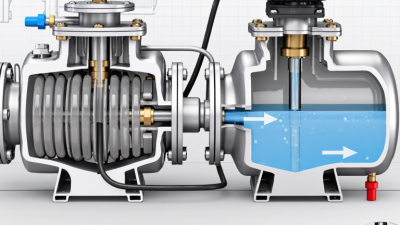
An air-operated diaphragm pump converts compressed air into alternating movement. A distribution valve sends air behind one flexible diaphragm, pushing it toward the liquid chamber. A connecting shaft moves the opposite diaphragm outward. This creates suction on one side and discharge on the other. That is the cycle. Inlet and outlet check valves open and close as chamber pressure changes, directing liquid through the pump rather than back through the piping.
The pump needs no electric motor at the point of use, but it still depends on a compressed-air supply. The U.S. Department of Energy’s Improving Compressed Air System Performance sourcebook reports that leaks can waste 20–30% of compressor output. That figure concerns compressed-air systems generally, not diaphragm pumps alone. Still, it shows why air demand and leak checks matter when estimating operating costs. A hiss near a fitting is easy to miss.
Actual flow changes with air pressure, liquid viscosity, suction lift, and pipe layout. A thick fluid or narrow hose can slow discharge, even when the pump cycles steadily. Check the manufacturer’s performance curve against the real fluid and installation conditions. It is tempting to size by port diameter alone; that is not enough. A short trial under working conditions can expose the mismatch before routine use.
The chart shows the alternating check-valve states in a typical two-phase pumping cycle. During suction, a chamber’s inlet valve opens and its outlet valve closes; during discharge, the states reverse.
State key: 1 = open; 0 = closed. The two diaphragm chambers operate in opposite phases. Actual valve transitions and timing vary by pump design and operating conditions.
China’s air diaphragm pump manufacturing landscape combines casting, machining, elastomer production, and final assembly. Many factories serve both domestic buyers and export markets, but capabilities vary. Some focus on standard pump sizes, while others adapt wet-end materials, port connections, or diaphragm compounds for specific fluids. Details matter.
A useful supplier assessment goes beyond catalog flow rates. Ask how the pump performs with your actual fluid, solids, air pressure, and duty cycle. Request material specifications and test records, then check whether they describe the proposed configuration. A pump tested with clean water may not behave the same way with a viscous or abrasive liquid. Small differences can become costly.
Manufacturing quality depends on repeatable assembly and inspection, not only modern equipment. Look for clear procedures for leak checks, dimensional control, and spare-part identification. Confirm lead times and after-sales support in writing. Visits can reveal practical details, such as how components are stored or how technicians inspect diaphragms. Still, a polished workshop is not proof of long-term reliability. Supplier claims deserve verification, and buyers may need to compare more than one sample before deciding. The landscape is capable, but not uniform.
| Manufacturing Dimension | Common Market Offering | Buyer Considerations |
|---|---|---|
| Pump configurations | Air-operated double-diaphragm pumps in portable, bolted, and clamped configurations; connections and port sizes vary by model. | Confirm connection standard, installation dimensions, solids-handling limits, and whether the pump can run dry or handle intermittent operation. |
| Wetted body materials | Common choices include polypropylene, PVDF, aluminum, and stainless steel. Material availability differs across product ranges. | Check chemical compatibility, operating temperature, abrasion exposure, and whether the quoted material applies to every wetted component. |
| Diaphragm and seal options | Elastomer options commonly include NBR, EPDM, and thermoplastic elastomers; PTFE is also used for chemical-resistant diaphragm applications. | Request compatibility information for the pumped fluid, concentration, temperature, and cleaning chemicals. Verify the complete diaphragm assembly specification. |
| Air supply and performance | Compressed air drives the pump; many industrial models are designed for air supply in the several-bar range. Flow and discharge pressure depend on the model and operating conditions. | Compare performance curves at the required air pressure and fluid head. Check air consumption, inlet pressure, and the effect of viscosity and solids on capacity. |
| Typical applications | Common uses include transferring chemicals, wastewater, paints, coatings, slurries, and other fluids where self-priming or solids handling may be useful. | Match the pump to the fluid’s viscosity, particle size, abrasiveness, and sensitivity to shear; confirm suitability for the intended process. |
| Manufacturing and quality checks | Manufacturing capabilities and inspection procedures vary by factory. Pressure or leak testing and component inspection are relevant checks for pump assemblies. | Ask for the actual test procedure, material records, inspection criteria, and traceability documents for the specific model and order. |
| Certifications and compliance | Certifications and regulatory documentation are not uniform across suppliers or product lines; availability depends on the factory, model, and destination market. | Verify certificates directly, including their scope, validity, issuing body, and whether they cover the exact pump configuration being purchased. |
| After-sales support | Spare-parts availability, technical documentation, warranty terms, and response times differ between suppliers. | Confirm parts lists, diaphragm and valve replacement availability, warranty exclusions, and support arrangements before ordering. |
Note: This overview describes common product and sourcing considerations; specifications and certifications should be verified for each individual model and supplier.
Chinese air diaphragm pump manufacturers often serve distinct industrial needs rather than offering identical product ranges. Some focus on compact pumps for workshops and equipment skids, where easy access to air valves and simple maintenance matter. Others build larger units for transferring coatings, wastewater, or abrasive slurries. The difference is practical: a pump handling thick sludge needs different passages and wear-resistant parts from one moving clean water.
Material selection is a major specialty. Suppliers may offer aluminum housings for general service, stainless steel for demanding washdown environments, and engineered plastics for certain corrosive fluids. Check the wetted components, not just the casing. A catalog can make compatibility look simple, but temperature, concentration, and cleaning chemicals may change the answer. Small details matter.
Some factories also emphasize customized manifolds, port sizes, and diaphragm materials, while others concentrate on standard models and faster availability. Ask for performance curves at your operating air pressure, not only maximum flow figures. Request documentation for materials and test procedures, then compare it with your actual fluid and duty cycle. That takes time. Even experienced buyers can overlook air consumption or muffler noise when comparing quotations. A short trial under realistic conditions can reveal whether the pump primes reliably and handles solids without frequent intervention.
Air-operated double-diaphragm pumps use compressed air to move two flexible diaphragms in alternating strokes. An air distribution valve controls the cycle, while ball or flap check valves direct fluid through the pump. This design handles many viscous fluids and suspended solids without a motor-driven wetted shaft. It can also run dry for limited periods, though repeated dry running may shorten component life.
Material choice matters. Polypropylene bodies suit many mildly corrosive liquids; aluminum and cast iron are common for general industrial service. Stainless steel offers durability and easier cleaning, while PTFE diaphragms resist a broad range of chemicals. Compatibility still depends on temperature, concentration, and fluid additives. Test the actual fluid when uncertainty remains. Applications include wastewater transfer, mining slurries, coatings, and chemical processing. In practice, abrasive particles can wear valve seats faster than expected.
Tips: Check the fluid’s temperature and chemical composition before selecting diaphragm and valve materials. Match air pressure to the pump’s operating range, and inspect exhaust airflow during commissioning. Keep a spare diaphragm available. Small leaks matter.
Top Air Diaphragm Pump Manufacturers in China?
How to Evaluate and Select a Chinese Manufacturer
Selecting a Chinese air diaphragm pump manufacturer starts with your actual operating conditions. Share the fluid’s temperature, viscosity, solids content, and required flow rate. Ask for performance data at your working air pressure, not just a maximum-flow figure. A pump handling clean water may behave differently with abrasive slurry. Small detail, big difference.
Check whether the supplier manufactures the pump or sources it from another factory. Request clear material specifications for the diaphragm, valve seats, and wetted body. Then compare these with your fluid requirements. Ask for a sample test report, assembly photos, and the procedure used to inspect finished pumps. A polished catalog is not proof. If possible, review the production line or arrange an independent inspection; remote checks can miss things.
Evaluate service as carefully as price. Confirm which wear parts are stocked, how replacement parts are identified, and how quickly technical questions receive useful answers. Ask for installation guidance and a parts list before placing a large order. Communication matters when a pump stops on a Friday. I would avoid judging a supplier from one quick reply, though. Response quality over several practical questions gives a fairer picture, and even a detailed checklist cannot predict every issue in the field.
![]() |
Need Help? Call Us 203-740-1877
|
We're ready to help identify, size and spec your pumps, filters |
Pumps, Parts, and Equipment – Guidance Included
103 Hempel Drive
Wolcott, CT 06716
Telephone: 203-740-1877
Toll Free Fax: 866-523-1693
Email: sale@rewritertool.com